ASTM F2338 Vacuum Decay Leak Testing for Vials and Bottles
ASTM F2338 vacuum decay leak testing provides a non-destructive method for detecting leaks in suitable packages by measuring pressure changes inside an evacuated test chamber.
For pharmaceutical applications such as vials, bottles and small rigid containers, vacuum decay provides an objective physical measurement without requiring water immersion, dye ingress or destructive visual inspection.
What Is ASTM F2338?
According to the official ASTM F2338-24 standard , vacuum decay is a non-destructive method used to detect package leaks by monitoring pressure changes inside an evacuated test chamber.
The package is placed inside a sealed test chamber. After vacuum is generated, the test system monitors pressure behavior over a defined period.
A leaking package may allow gas or vapor to enter the evacuated chamber and create a measurable pressure change.
Non-Destructive Leak Detection for Small Pharmaceutical Containers
Pharmaceutical quality teams often need to inspect valuable products and production samples without damaging the package being evaluated.
Vacuum decay can provide a non-destructive alternative for suitable rigid and non-porous containers such as pharmaceutical vials and bottles.
- Pharmaceutical vials
- Small bottles
- Rigid non-porous containers
- High-value samples
- Routine quality-control samples
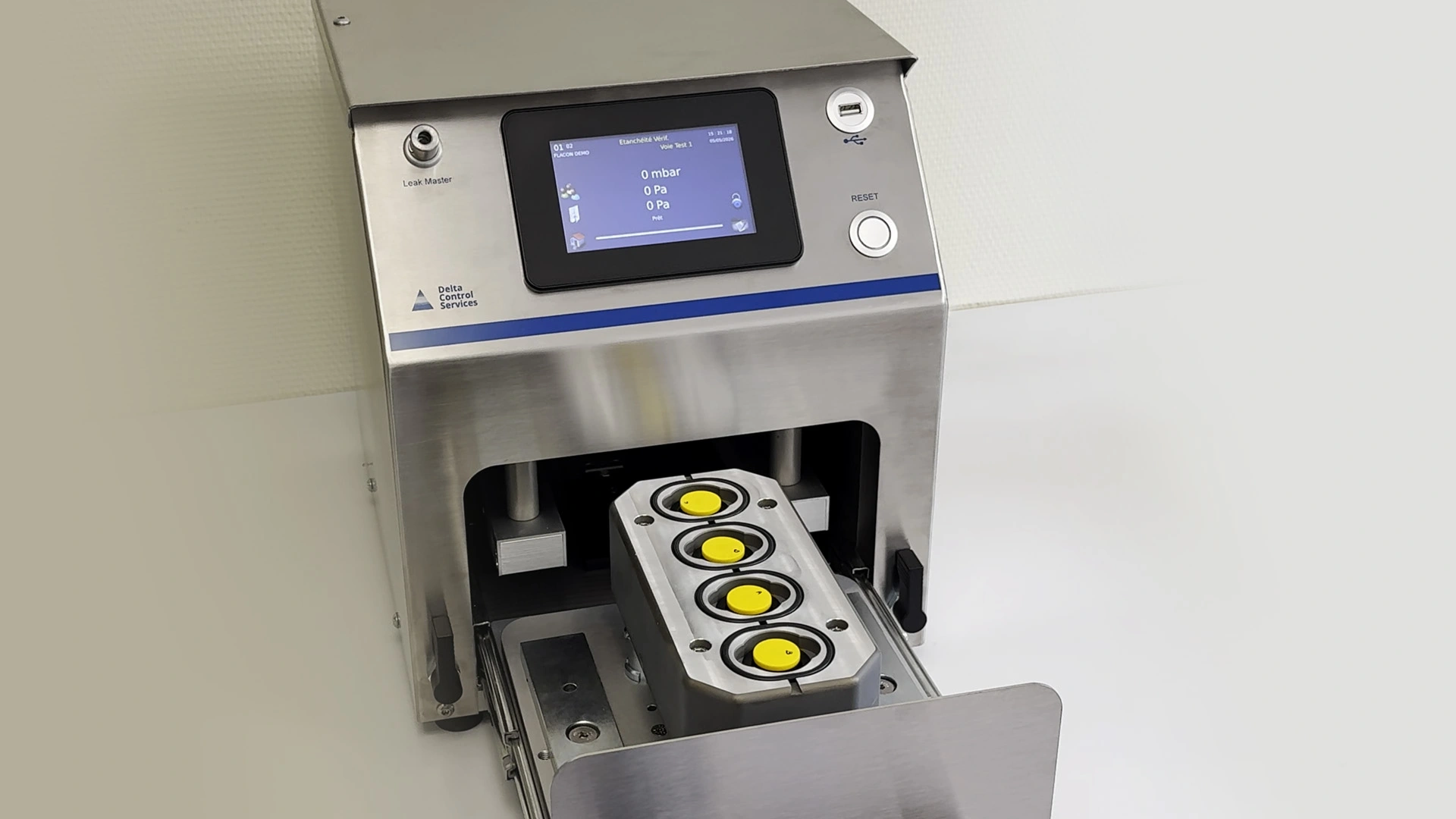
How ASTM F2338 Vacuum Decay Testing Works
Vacuum decay converts package integrity into a measurable pressure response inside a controlled test chamber.
Load the Package
The vial, bottle or other suitable container is placed inside a chamber configured around its geometry.
Generate Vacuum
Pressure surrounding the package is reduced to the programmed test condition.
Stabilize the System
Initial pressure effects are allowed to settle before the measurement period begins.
Measure Pressure Change
The system monitors pressure behavior during the defined measurement window.
Applying Vacuum Decay to Vials and Bottles
ASTM F2338 is not limited exclusively to pharmaceutical vials and bottles, but these rigid, non-porous containers are an important application for vacuum decay testing.
The chamber, fixture, package geometry and selected test conditions work together as a complete measurement system.
That means the same test parameters should not automatically be applied to every container format.
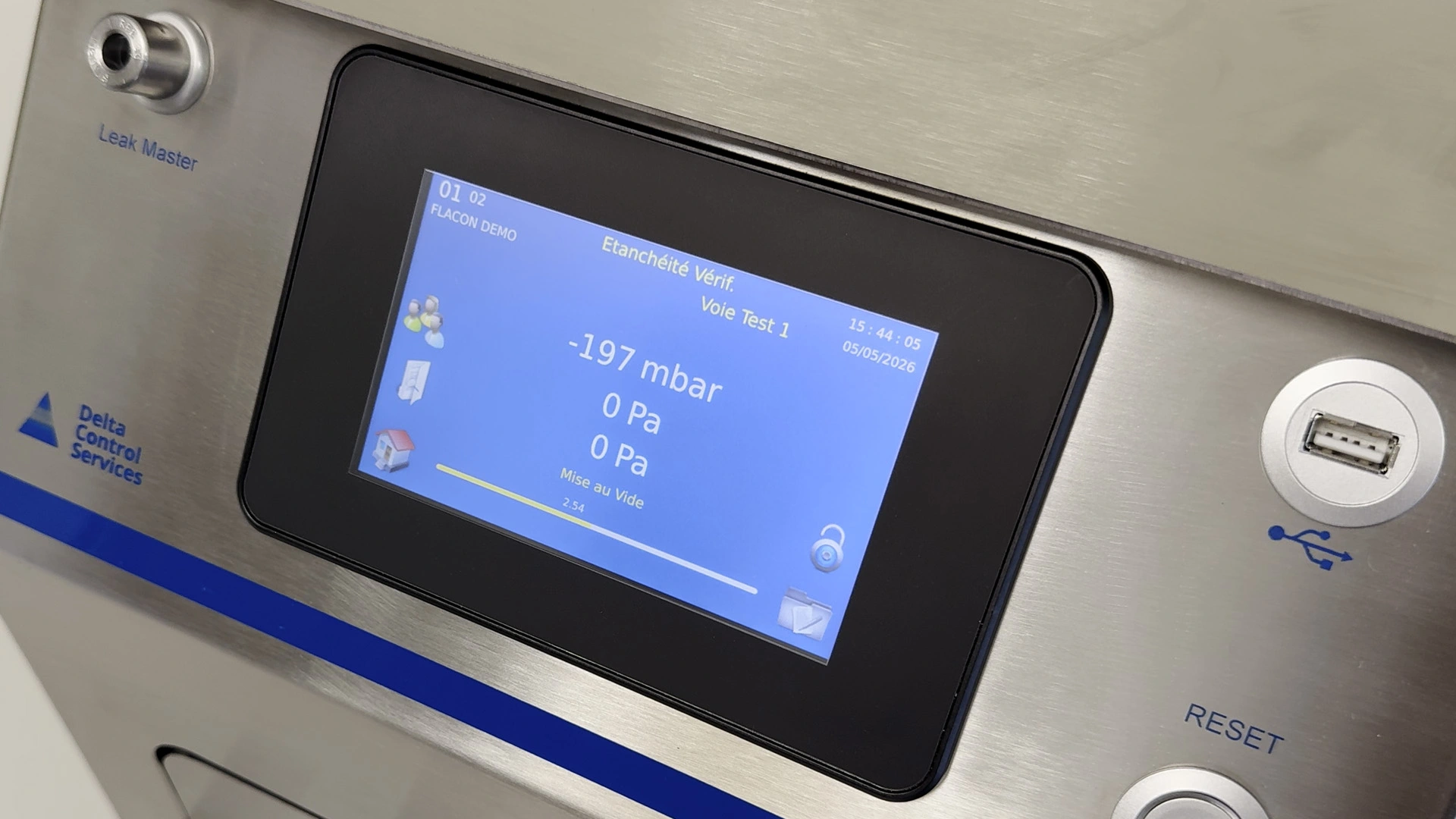
From Vacuum Generation to Pass / Fail Decision
Reliable and Repeatable Vacuum Decay Measurements
Repeatability is critical when the same test procedure is performed across different batches, operators and quality-control shifts.
Controlled vacuum generation, stabilization and measurement periods help reduce unwanted variation between consecutive test cycles.
The objective is not simply to generate vacuum. The objective is to create a repeatable measurement condition from which meaningful package integrity decisions can be made.
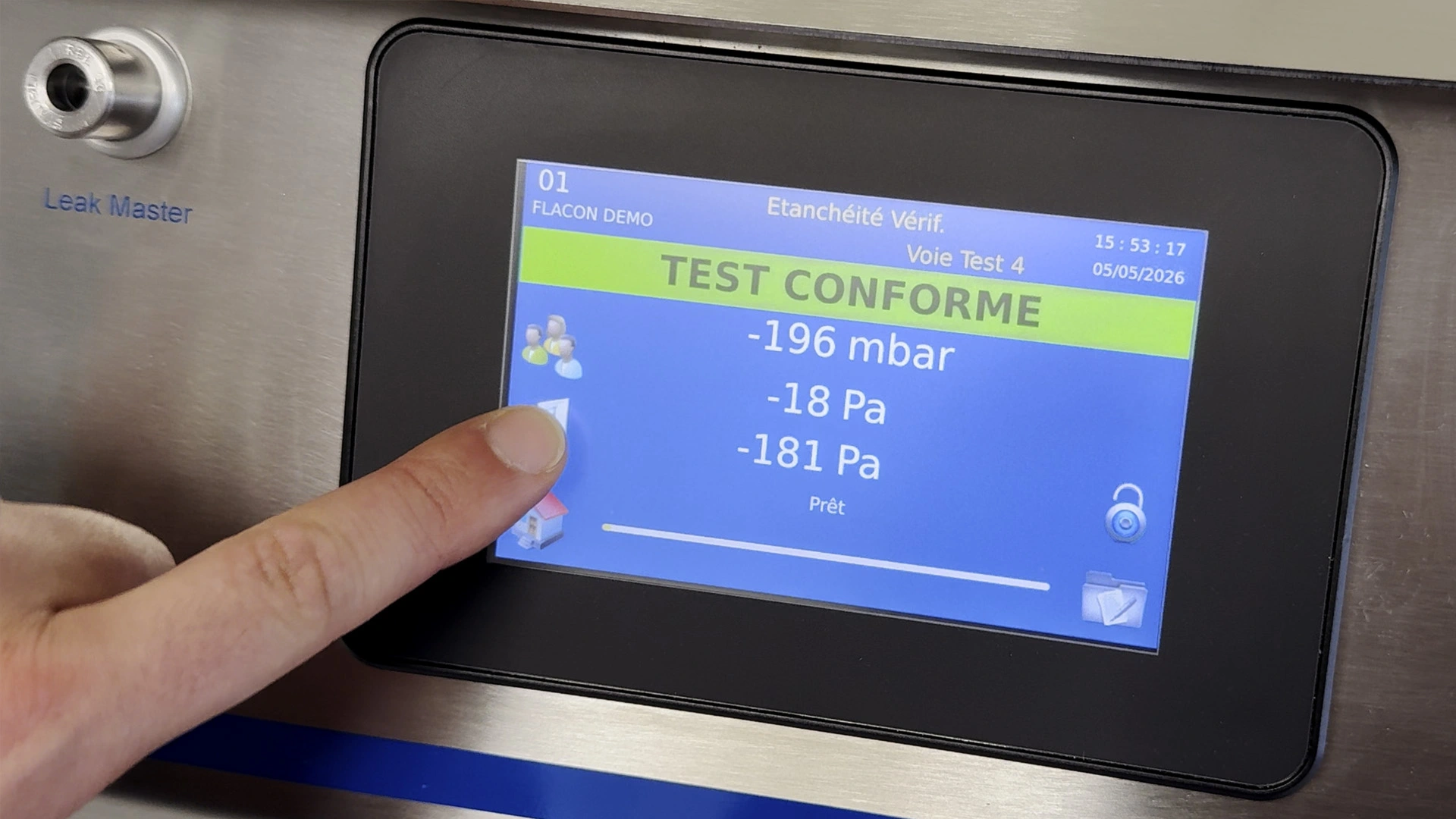
Vacuum Decay Testing in Practice
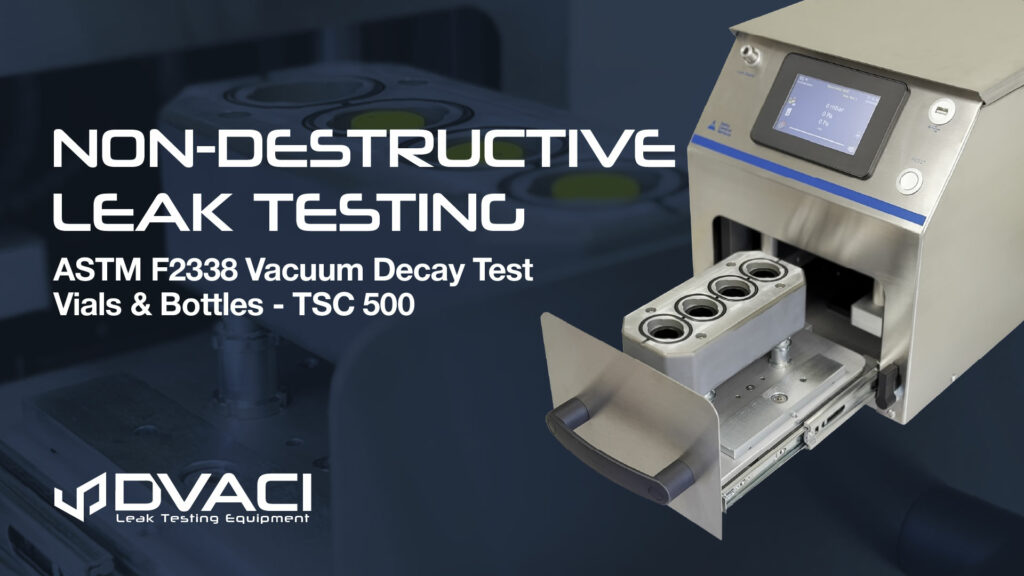
The TSC 500 is designed for leak testing of small containers using controlled pressure-based measurement.
Its compact test volume, integrated vacuum generation and programmable operation are intended to support both laboratory and industrial quality-control workflows.
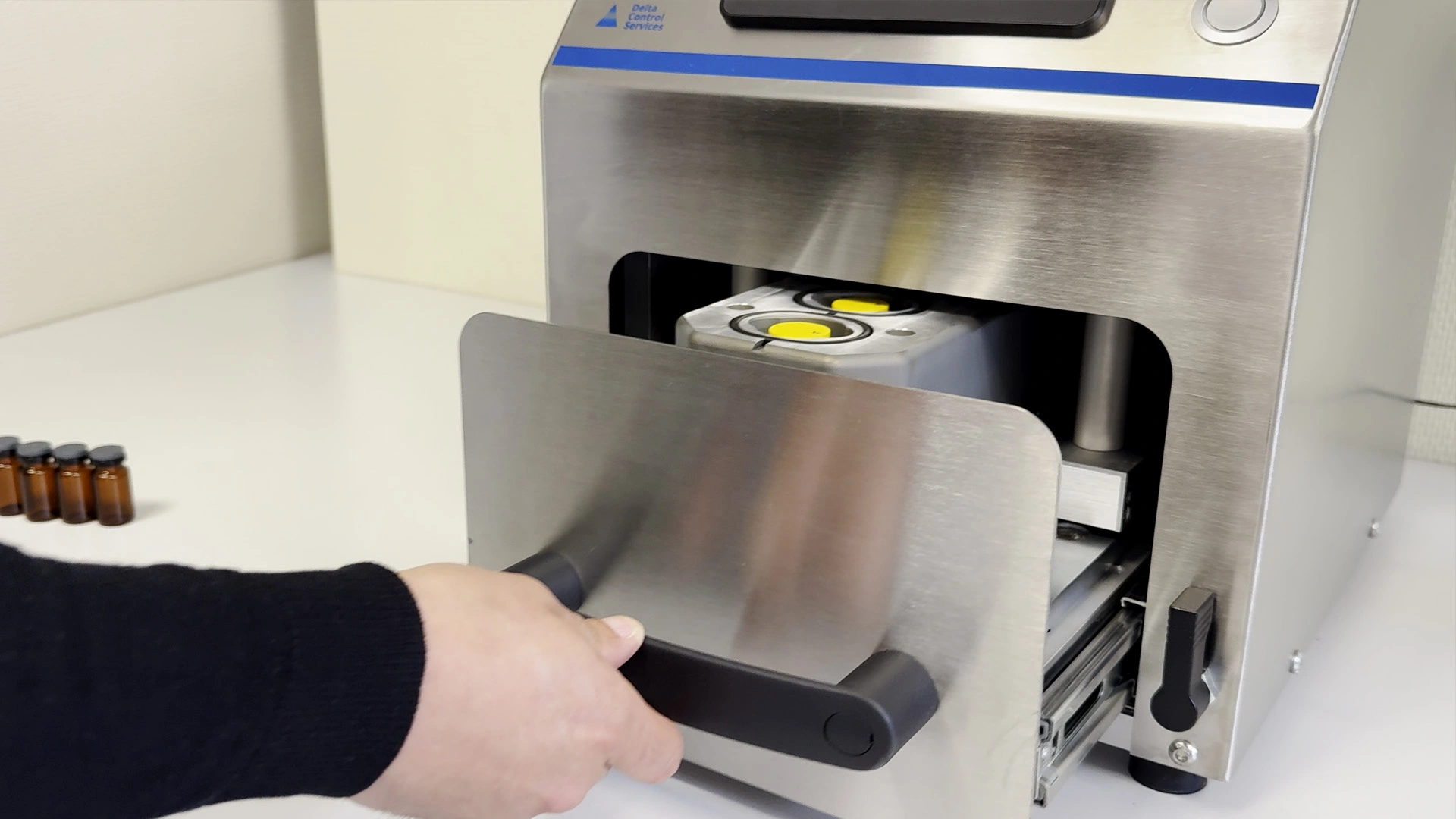
Consistent Sealing and Sample Positioning
Repeatable measurements depend not only on the sensor and software but also on how the package is positioned and how consistently the test chamber is sealed.
The drawer-based closing system provides a consistent mechanical workflow for loading the sample and closing the measurement chamber.
This helps reduce operator-dependent variation during routine testing.
Features for Routine Pharmaceutical Leak Testing
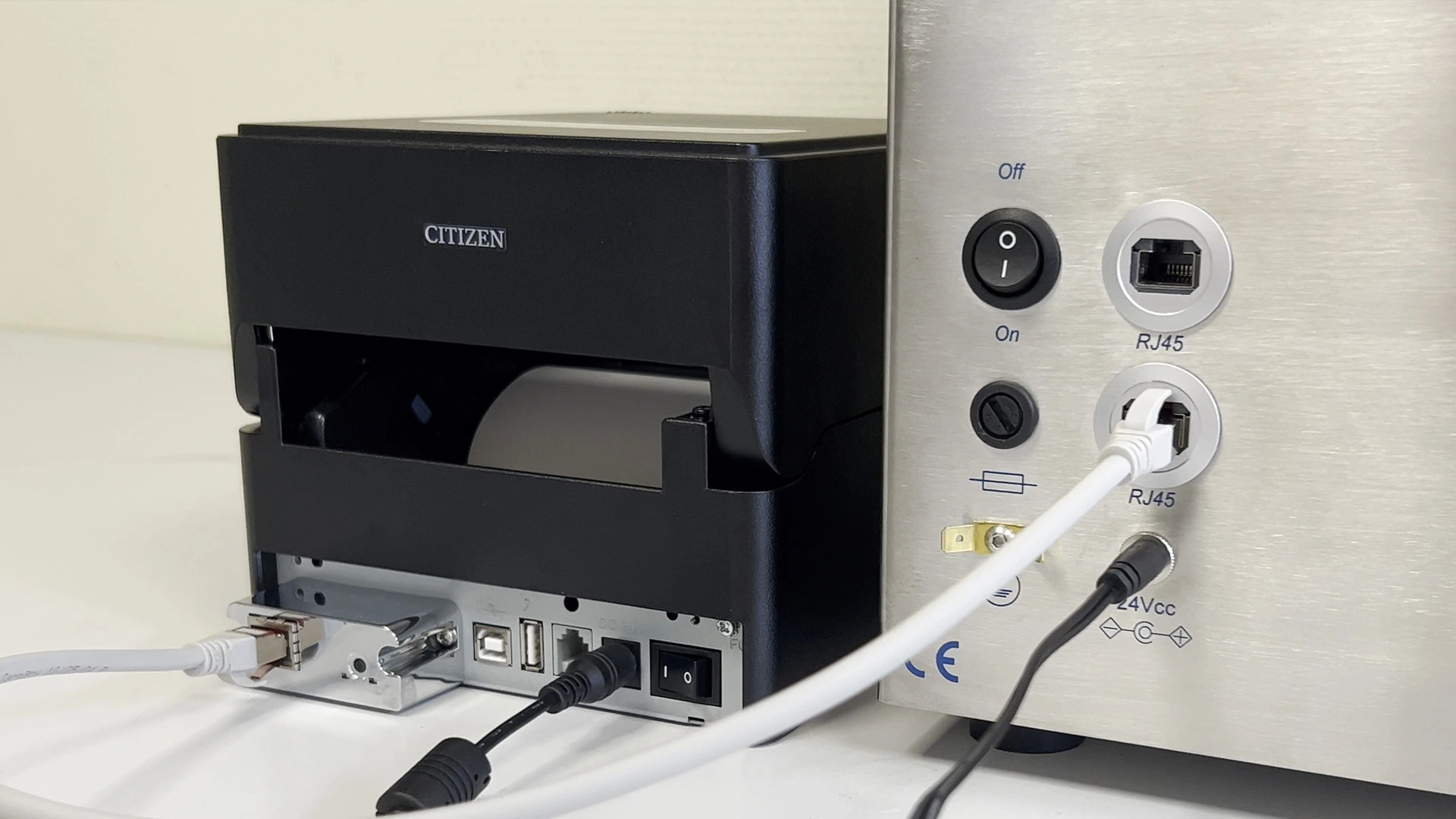
A production leak tester also needs repeatable operation, traceability and practical data-management tools.
Leak Testing Is Also a Data Process
Pharmaceutical quality control often requires more than a simple pass or fail indication.
Test programs, system activity and measurement results can form part of a broader traceability strategy.
Features such as stored programs, connectivity and Audit Trail can support controlled testing workflows when implemented within the user's quality system.
Increasing Throughput Without Adding Unnecessary Test Cycles
Accuracy is only one part of routine pharmaceutical inspection. Quality-control teams may also need to evaluate dozens or hundreds of samples before releasing a batch.
When every container is tested individually, total inspection time can become a significant part of the quality-control workflow.
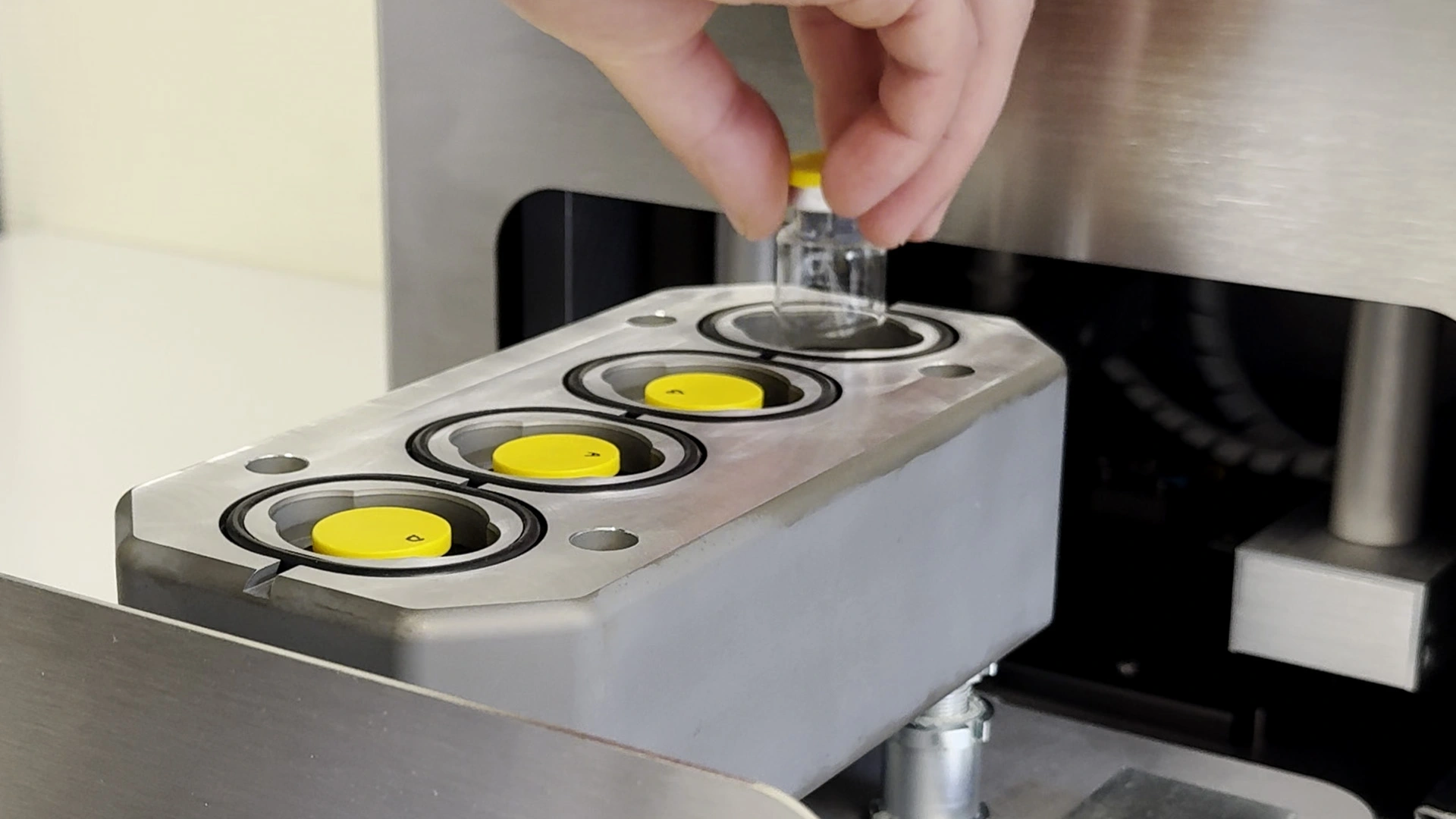
Test Up to Four Products at the Same Time
Depending on package geometry, fixture design and the validated test method, the TSC 500 can accommodate up to four products during a single test cycle.
Parallel testing can reduce total inspection time while maintaining the same controlled measurement sequence.
- Reduce batch inspection time
- Improve operator productivity
- Maintain controlled test conditions
- Support faster quality decisions
What Influences ASTM F2338 Vacuum Decay Sensitivity?
Vacuum decay performance depends on the complete package–product–fixture configuration and not simply on the leak tester itself.
A Leak Signal Must Be Distinguished from Normal Variation
Vacuum decay measures pressure behavior, but every physical measurement system contains some background variation.
Package volume, chamber volume, temperature, stabilization, material behavior and sensor characteristics can all influence the measured response.
This is why acceptance criteria must be established using the actual package and validated test method.
Vacuum Decay vs. Visual Package Leak Testing
Vacuum Decay
- Measures a physical pressure response
- Can be non-destructive
- Produces objective measurement data
- Requires application-specific method development
Bubble Emission
- Relies on visual bubble detection
- Helps locate the leak
- Typically uses water immersion
- Useful for many package formats
Dye Ingress
- Uses liquid tracer penetration
- Produces visible evidence
- Destructive test
- Used for specific pharmaceutical applications
ASTM F2338 vacuum decay testing turns package integrity into a measurable pressure response — but reliable results still depend on the package, fixture, test parameters and validated acceptance criteria.
ASTM F2338 Vacuum Decay FAQ
- What is ASTM F2338?
- ASTM F2338 is a standard test method for non-destructive detection of leaks in suitable packages using vacuum decay.
- Is ASTM F2338 vacuum decay testing destructive?
- Vacuum decay is intended as a non-destructive measurement method when the package configuration and selected test parameters are suitable.
- Can ASTM F2338 be used for pharmaceutical vials?
- Vacuum decay can be applied to suitable non-porous packages, including certain pharmaceutical vial and bottle configurations.
- What does a vacuum decay leak tester measure?
- The equipment measures pressure behavior inside an evacuated chamber and compares the response with established acceptance criteria.
- What affects vacuum decay test sensitivity?
- Package geometry, closure configuration, chamber volume, headspace, product characteristics, stabilization, vacuum level and measurement duration can all influence test performance.
- Can multiple pharmaceutical containers be tested at once?
- The TSC 500 can support multiple-container testing in suitable configurations, including setups for up to four containers during one cycle.
Evaluate Vacuum Decay Testing on Your Products
Send DVACI your container type, dimensions and quality-control requirements. Our application team can help evaluate a suitable ASTM F2338 vacuum decay test configuration.
Latest Articles
News, technical guides and insights about package leak testing.