Methylene Blue Leak Test for Blister Packs
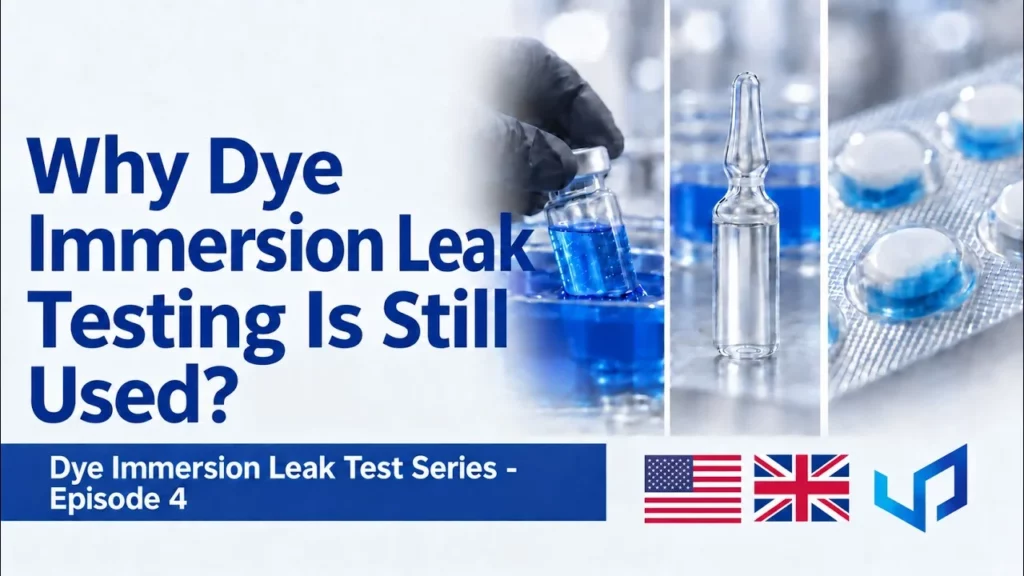
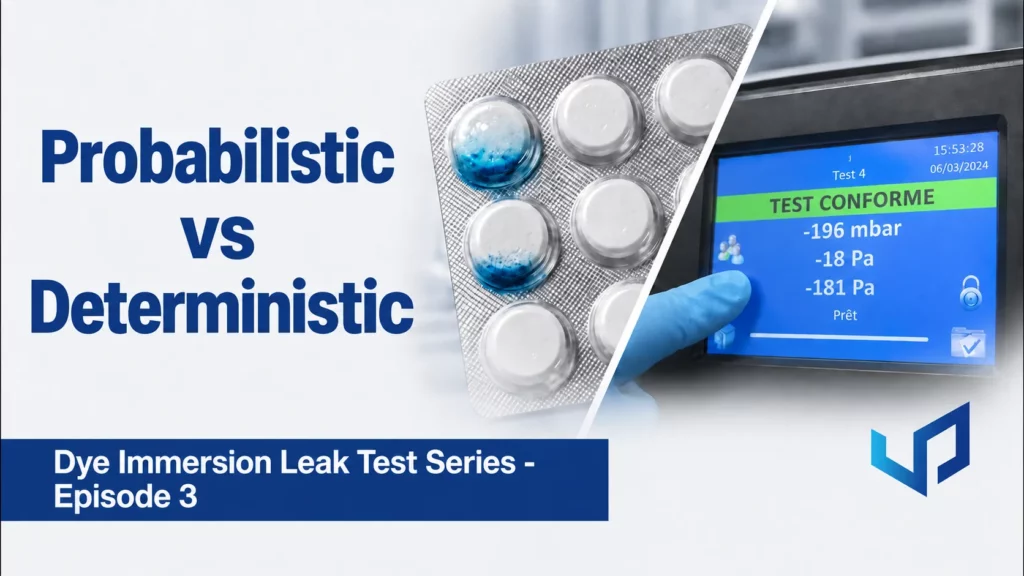
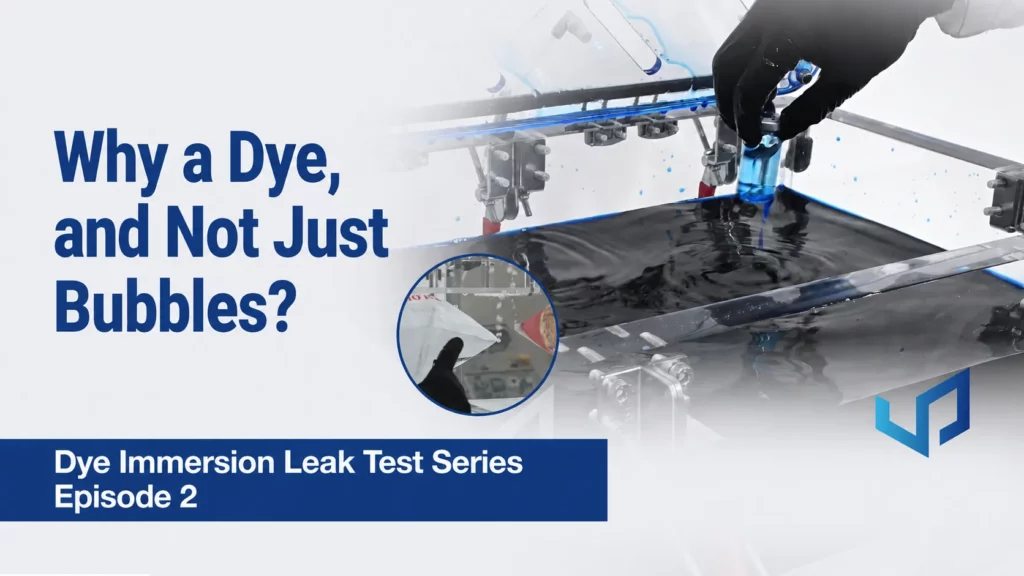
A technical series on Container Closure Integrity Testing (CCIT). Explore the published chapters below.
A methylene blue leak test uses a colored tracer, a controlled pressure differential and visual inspection to reveal dye ingress into a leaking pharmaceutical package. For blister packs, it can make a leak pathway visible after a defined vacuum and atmospheric recovery cycle. This dye immersion method requires validation for the package, product and defect to be detected.
In this first episode, we introduce the fundamental mechanics of the methylene blue test: how the precise application and release of vacuum inside a blister pack leak tester or vacuum chamber can transform an invisible, microscopic capillary defect into permanent, visible evidence.
An Invisible Pathway. A Visible Indication.
When dealing with sterile pharmaceutical packaging, a microcrack, an improper seal channel, or a pinhole provides an unwanted pathway for air, moisture, or microbial contaminants. These defects are often far below the threshold of standard visual inspection. However, when subjected to a pressure differential using reliable package integrity testing equipment, a colored tracer effectively exposes the flaw.
Vacuum Creates a Differential.
Reducing the pressure inside the testing chamber forces the internal headspace gas to expand, allowing air to evacuate from a leaking package.
The Defect Provides a Route.
While the package is submerged under a vacuum, the microscopic leak acts as a physical channel connecting the internal cavity to the surrounding fluid.
Dye Makes Ingress Visible.
During the atmospheric return phase, higher external pressure forces the colored liquid into the defect, leaving a permanent visual trace.
What the Operator Analyzes
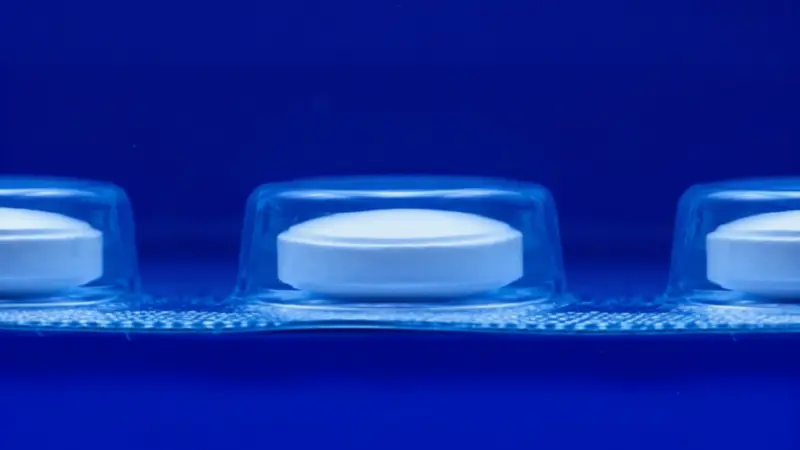
The Starting Sample
Inspect the container closure system before testing to establish the baseline condition.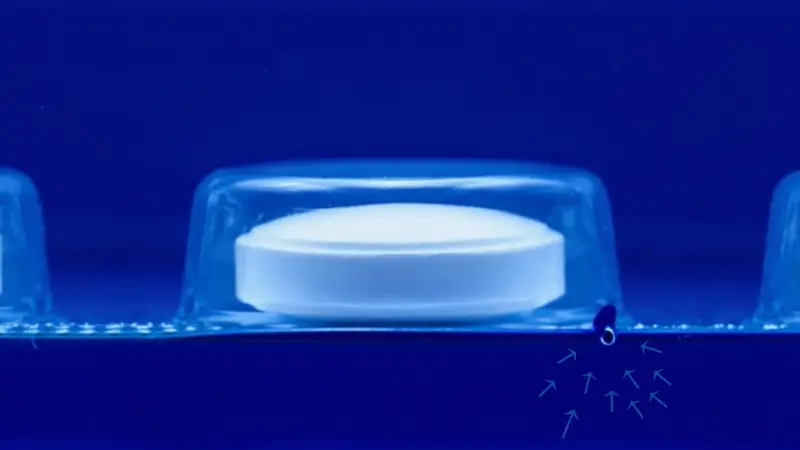
A Microscopic Defect
The leak channel itself is usually impossible to identify reliably by visual inspection alone.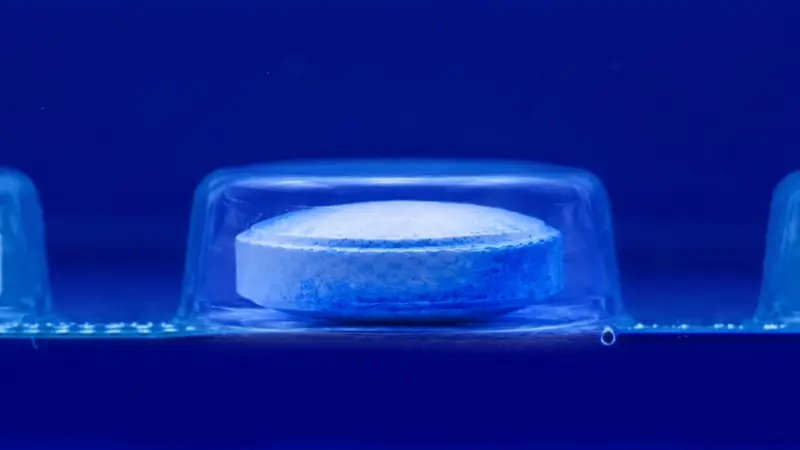
Visible Dye Ingress
After the atmospheric dwell and rinsing phases, the operator looks for permanent dye accumulation inside the cavity.Follow Each Stage of the Inspection
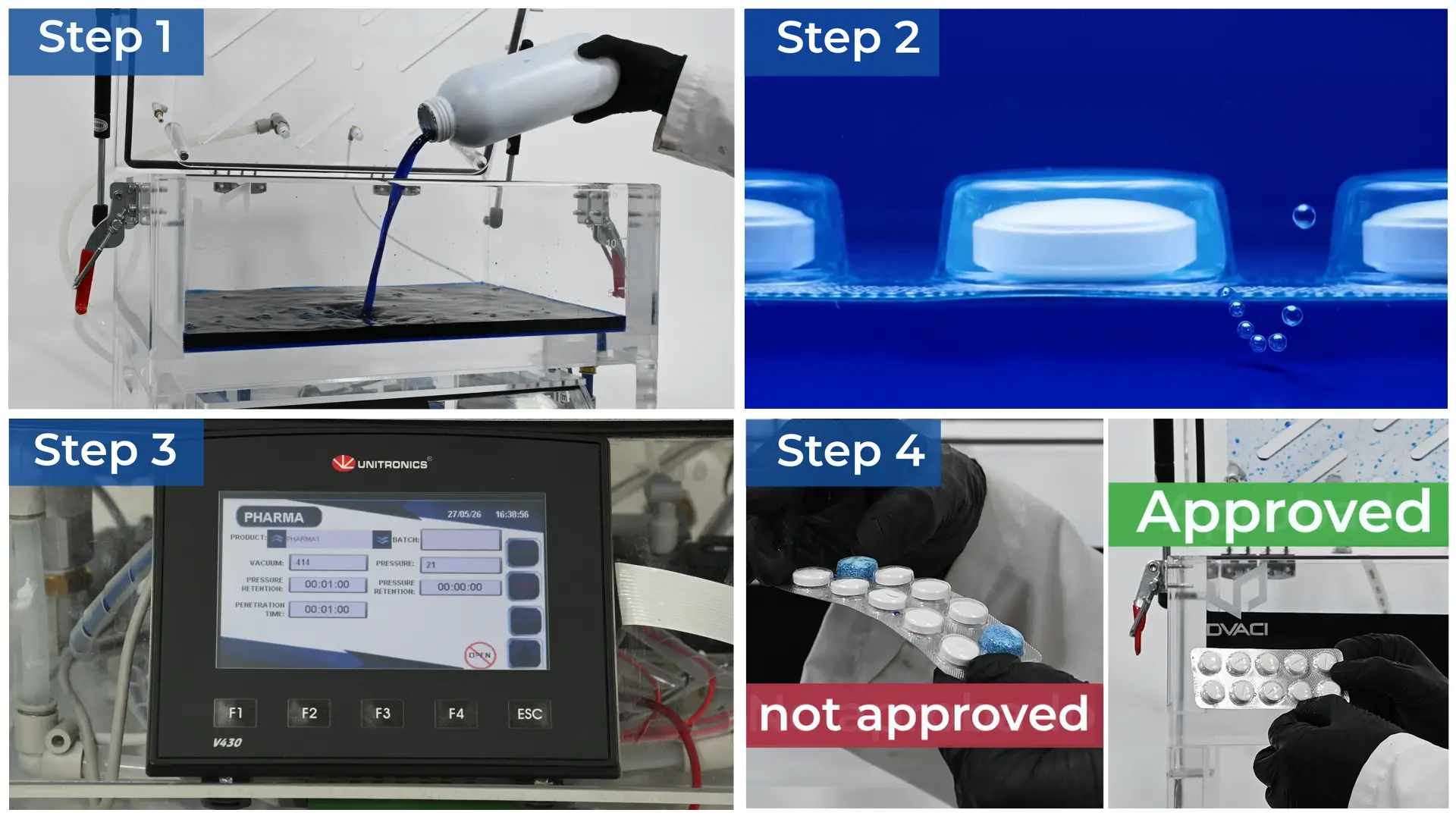
Using a pharmaceutical leak tester requires strict adherence to standardized phases to ensure repeatability across sample batches.
- Immerse the sample. Place the package in the prescribed methylene blue solution, ensuring it remains fully submerged.
- Apply vacuum. Allow air to evacuate through any potential leak under strictly defined vacuum levels and duration.
- Restore pressure. Releasing the vacuum creates the critical differential that drives the tracer liquid through the available pathway.
- Observe the dwell time. Keep the sample submerged at atmospheric pressure for the time specified in your SOP.
- Rinse and inspect. Remove external dye residue completely to prevent false positives, then evaluate the sample for internal ingress.
A Reliable Procedure Requires Controlled Parameters
Simply applying a vacuum to a submerged package does not guarantee valid results. Test conditions dictate whether the dye successfully reaches the defect, penetrates it, and becomes visible to the operator.
Understanding how the packaging material behaves under stress is critical for developing a consistent, application-specific CCIT procedure. There is no universal vacuum setting suitable for all formats; rigid vials behave entirely differently than flexible blister packs.
Evaluate the Actual Package and Product
The selected testing protocol must be appropriate for the specific package format. Dye immersion is recognized as a probabilistic method; therefore, a positive indication relies on the physical sequence of liquid entry, capillary transport, and visual confirmation.
For sterile pharmaceutical manufacturing, guidelines such as USP <1207> Package Integrity Evaluation—Sterile Products provide an essential framework for establishing valid methods and selecting appropriate CCIT equipment.
You do not need to observe the defect directly. You require a controlled, validated methodology that renders the leak pathway detectable.
There Is More to the Method
Follow our technical series as we explore the nuances of dye immersion leak testing, methylene blue tracer dynamics, and pharmaceutical package integrity. A new episode is published weekly.
- Why use a liquid dye instead of relying purely on bubble emission
- Which ASTM and USP guidelines govern method selection
- Strategies to enhance method detection limits and sensitivity
- The physical variables that dictate testing outcomes
- How different package formats respond to internal vacuum stress
- Proper interpretation of marginal leak indications
Frequently Asked Questions: Dye Immersion CCIT
- What is the primary function of a blister pack leak tester?
- A blister pack leak tester applies a controlled vacuum to a submerged sample, creating a pressure differential that forces a liquid tracer (like methylene blue) through any microscopic defects, providing visible evidence of seal failure.
- Why is atmospheric dwell time critical in dye ingress testing?
- The dwell time at atmospheric pressure is when the actual liquid penetration occurs. After the vacuum is released, the lower pressure inside the defective package draws the higher-pressure external dye inward.
Why use a dye? Why not simply look for bubbles? →
Discover why a persistent colored tracer provides more reliable evidence than observing a transient bubble in small-volume packaging.
Equip Your Quality Lab with Precision.
Discuss your specific packaging format, SOP parameters, and CCIT equipment requirements with the DVACI engineering team.
Latest Articles
News, technical guides and insights on package leak testing.