Which Leak Test for Which Package? A Practical Method Selection Guide
Package format is usually the first clue when choosing between dye immersion, a self-sealing test, vacuum bubble emission or internal pressurization. This guide maps common pharmaceutical and flexible packages to the methods most often considered.
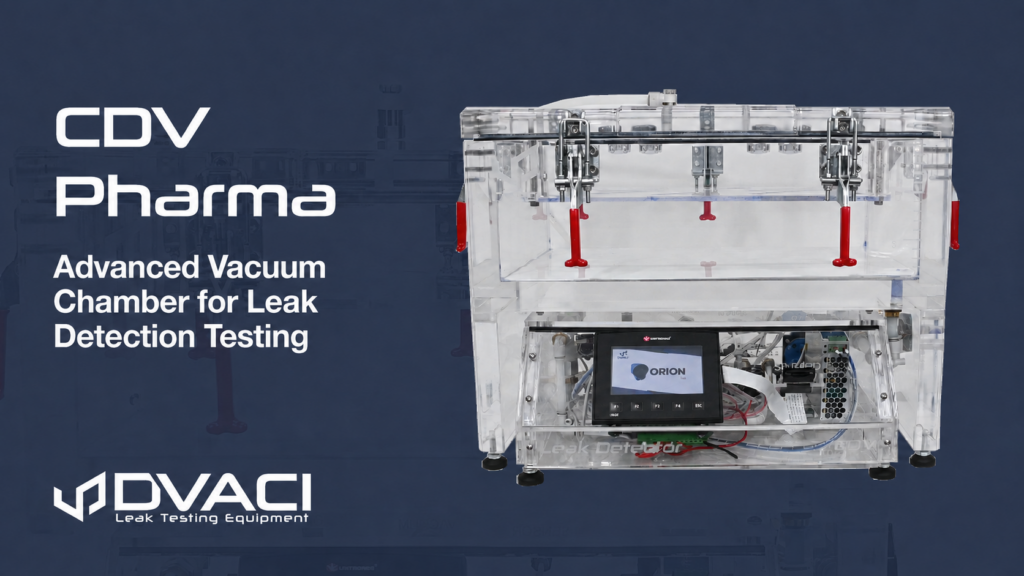
A vacuum leak tester for packaging can support multiple methods, but the chamber does not determine the test—the package, defect risk and governing document do. Where no package-specific standard exists, the method owner must justify and validate the operating parameters.
Package leak testing methods by package format
This matrix is a starting point, not a substitute for reviewing the current licensed standard and the approved validation protocol.
| Package | Method commonly considered | Reference to verify | Key qualification |
|---|---|---|---|
| Stoppered vial | Dye ingress or closure self-sealing evaluation | Current USP functionality chapter, Ph. Eur. 3.2.9 and ISO 8871-5 | Separate whole-package integrity from closure functionality after needle puncture. |
| Ampoule | Dye immersion for overall integrity | Applicable pharmacopeial or validated internal method | Define vacuum, exposure, recovery and visual-inspection conditions. |
| Prefilled syringe | Package-specific dye ingress or validated CCI method | ISO 11040-4:2024 and the applicable annex/protocol | Challenge the relevant interfaces, including the plunger and tip-cap system. |
| Small pharmaceutical blister | Vacuum-assisted dye immersion may be suitable | Product-specific validated procedure | Do not assume every package called a “blister” uses the same method. |
| Large medical-device tray or blister | Internal-pressurization bubble testing | ASTM F2096 | The package is penetrated to supply internal pressure; the test is destructive. |
| Large bottle | Validated methylene-blue test may be considered | Applicable package standard or internal protocol | No universal standard covers every bottle geometry or volume. |
| Small nonporous pouch | Dye ingress may be practical | Validated procedure based on intended use | Confirm material compatibility and ensure the product does not mask ingress. |
| Large flexible pack with headspace | Vacuum bubble emission | ASTM D3078 | D3078 addresses gross leaks; small leaks can escape detection. |
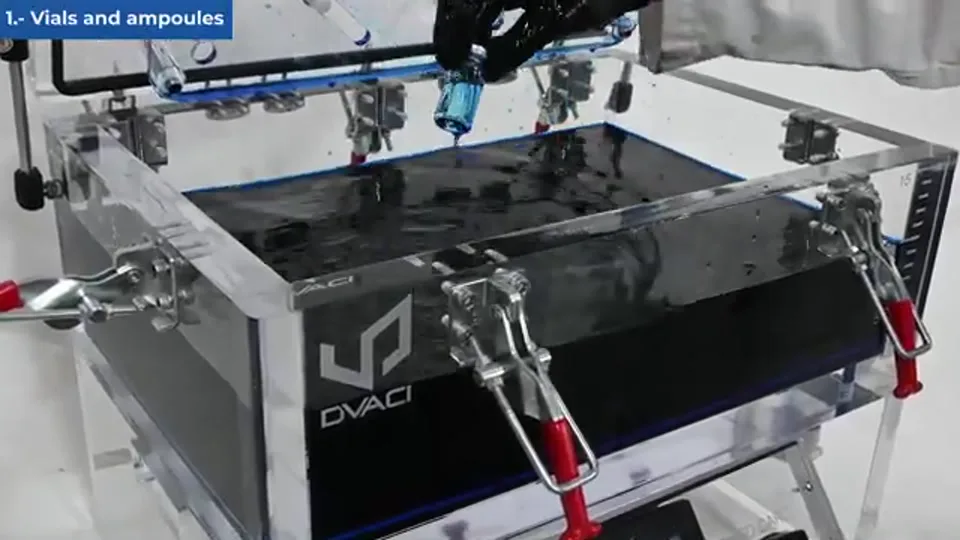
Vials and ampoules: distinguish closure performance from total package integrity
Vials are a classic application for visual dye testing, but two different questions are often grouped together. One is whether the complete container-closure system permits dye ingress. The other is whether an elastomeric closure re-seals after being pierced by a needle.
For the second question, consult the current compendial functionality requirements. USP’s modern packaging framework separates elastomeric-component requirements and closure functionality, so laboratories should verify whether USP <381>, USP <382>, Ph. Eur. 3.2.9 or ISO 8871-5 applies to the specific study.
Important: a self-sealing result does not by itself establish the integrity of every seal and interface in the assembled vial system.
Prefilled syringes require attention to their own interfaces
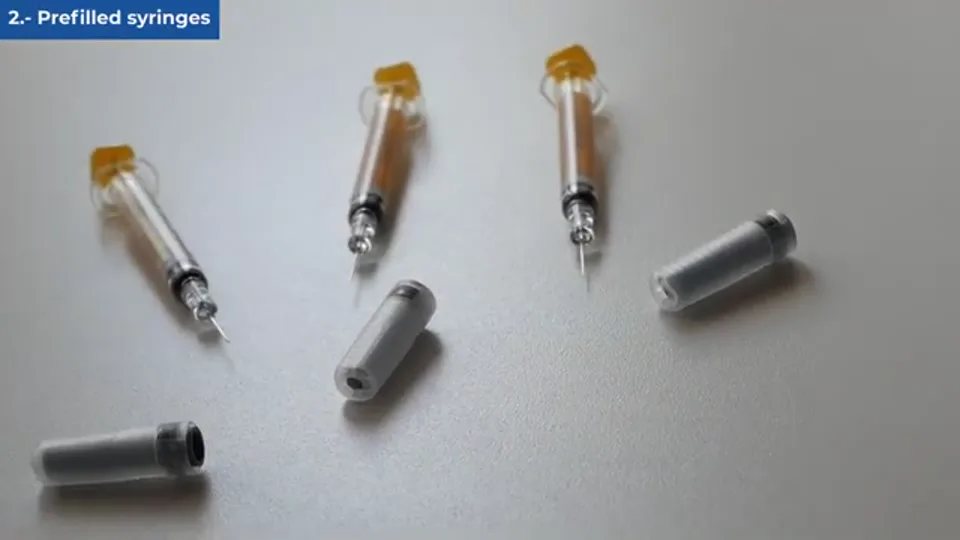
A prefilled syringe is not simply a small vial. Its integrity depends on the barrel, plunger-stopper system, needle or tip interface and tip cap. ISO 11040-4 provides requirements and test methods for glass barrels and sterilized subassembled syringes ready for filling.
If a dye procedure is selected, the protocol should define which interfaces are challenged, package orientation, pressure profile, tracer, inspection conditions and acceptance criteria. Confirm the relevant annex in the current licensed edition before claiming compliance.
“Blister” can describe two very different package systems
Method selection changes depending on whether the package is a small pharmaceutical blister or a larger medical-device tray with a lidding material.
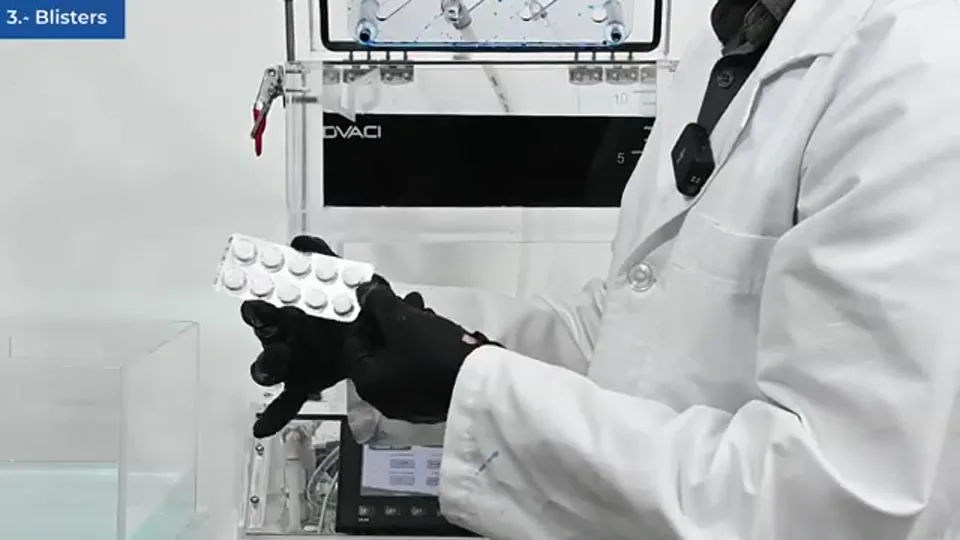
Pharmaceutical tablet blister
A small cavity strip with push-through foil may be a practical candidate for a validated dye-immersion procedure. The protocol must account for cavity geometry, foil seal, tracer visibility and the risk of false indications.
Medical-device blister or tray
Large trays and pouches may be better suited to ASTM F2096, which introduces air into the package and observes submerged areas for a continuous bubble stream caused by a gross leak.
Large bottles may need a package-specific validated method
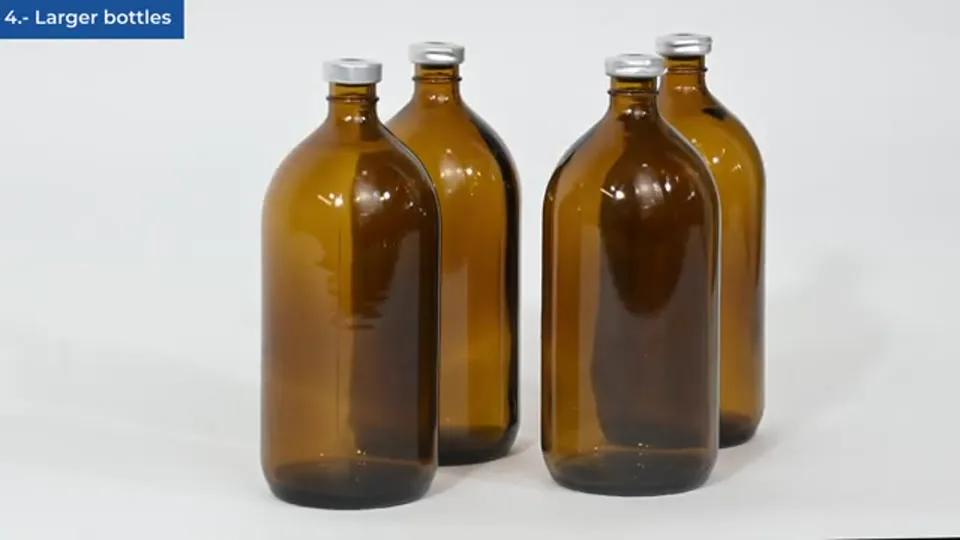
Bottles from approximately 50 mL to one liter may be evaluated with a methylene-blue procedure when the material, closure and product allow reliable visual detection. However, there is not a dedicated step-by-step standard for every bottle size and closure configuration.
When no suitable standard exists, the method owner must establish and justify the vacuum or pressure level, exposure and recovery times, dye formulation, sample orientation, inspection conditions, controls and acceptance criteria.
A chamber cycle is not a validated method by itself. Demonstrate that the complete procedure can reliably detect the defect of concern in the intended package.
Flexible packaging divides by size, construction and headspace
A small nonporous pouch can be a good candidate for dye ingress when the tracer can be observed and the contents will not plug or conceal a leak path. For larger flexible packs containing headspace gas, ASTM D3078 bubble emission is often the more direct visual approach.
Under external vacuum, gas inside the pack expands and escapes through a gross leak as a visible bubble stream. Dye is not required for this indication. ASTM notes that small leaks may not be detected and that product, material and selected parameters affect sensitivity.
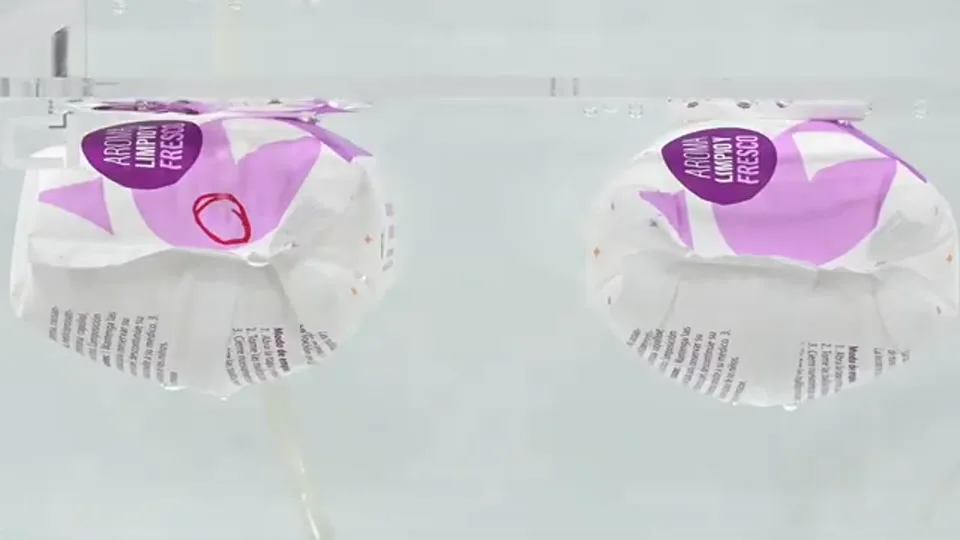
Four checks before selecting the method
Frequently Asked Questions About Package Leak-Test Selection
Which leak test should be used for a vial?
It depends on the objective. Whole-package dye ingress can evaluate overall integrity, while a closure self-sealing test addresses the elastomeric closure after needle puncture. Verify the current applicable compendial text and validation protocol.
Can ASTM F2096 be used for pharmaceutical tablet blisters?
ASTM F2096 is an internal-pressurization gross-leak method used for trays and pouches. A small push-through tablet blister may be more naturally suited to a validated dye procedure. Package construction and the test objective determine applicability.
What is the difference between ASTM D3078 and ASTM F2096?
ASTM D3078 applies external vacuum to flexible packaging containing headspace gas and observes bubble emission. ASTM F2096 supplies air pressure through an opening made in the package, making it a destructive internal-pressurization test.
Can methylene blue be used for large bottles?
It may be suitable, but a universal standard does not cover every bottle. The laboratory must justify the tracer, pressure profile, exposure time, orientation, controls and visual acceptance criteria for the intended container.
What should be done when no standard covers the package?
Develop a scientifically justified protocol and validate it for the intended use. Document the package, defect type, controls, sensitivity, parameters, acceptance criteria and any limitations. Do not describe a modified procedure as unqualified compliance with another standard.
Is dye testing mandatory—or simply one accepted option? Episode 7 will separate legal requirements, compendial expectations and method-selection flexibility.
Need to choose the right leak test for your package?
Share your package format, materials, product, closure system, applicable standard and defect of concern. DVACI can help determine whether dye immersion, vacuum bubble emission or internal pressurization is the appropriate approach—and translate it into a practical chamber and test configuration.
Latest Articles
News, technical guides and insights on package leak testing.