ASTM D4991 Explained: A Comprehensive Guide to Rigid Container Leakage Testing
Key Components of the ASTM D4991 Test:
- Immersion Fluid – To conduct this test, a solution of 50% ethylene glycol in water is recommended, as it is less likely to form bubbles at high vacuum levels, improving the accuracy and consistency of the test results.
- Preparation – The test method focuses on removing air dissolved in the immersion fluid by creating a vacuum of -950 millibars and maintaining it for 10 minutes. At least three products must be tested simultaneously, with the containers prepared under the same conditions as in the production process.
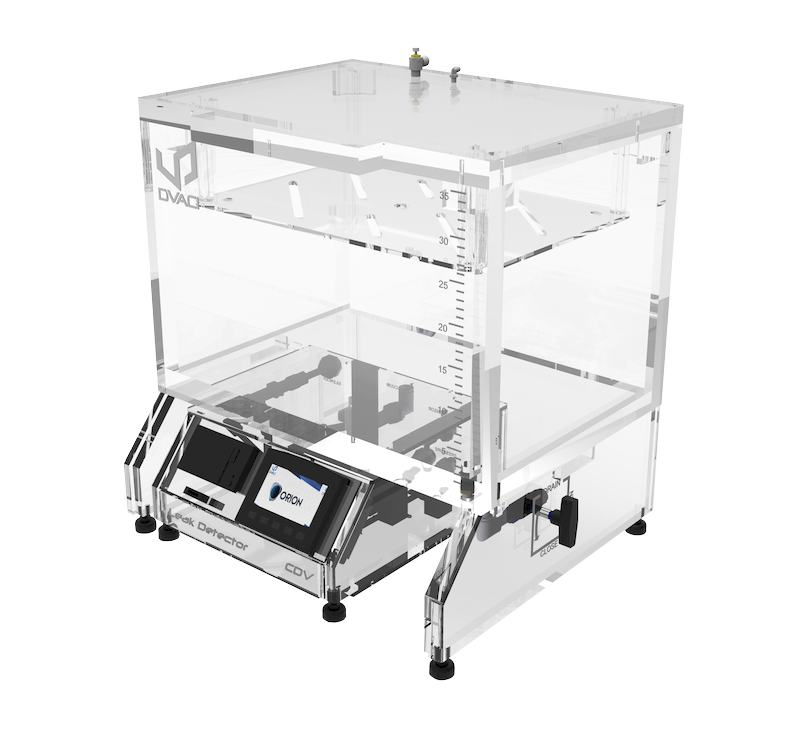
- Test Procedure – The test involves immersing the containers in the ethylene glycol-water solution, applying a vacuum, and observing for any leakage indicated by a continuous stream of bubbles. After the vacuum is released, the containers are examined for any fluid inside, which is also evidence of leakage.
- Reporting – A detailed report must be prepared, including information on the containers and closures, the number of specimens tested, test pressure requirements, test temperature, and results.
Understanding the Importance of ASTM D4991:
ASTM D4991 is a test method designed to evaluate the leakage resistance of empty rigid containers under differential pressure conditions, such as those encountered during air transport. This test is particularly relevant for organizations like the International Civil Aviation Organization and the United Nations, who are concerned about the transportation of dangerous goods. By following the guidelines set out by ASTM D4991, you can ensure that your containers meet the necessary standards for safe transportation.
Conclusion
ASTM D4991 is a valuable test method for ensuring the safety and integrity of rigid containers during transportation. By adhering to the guidelines and procedures outlined in this standard, businesses can prevent shipment rejections and ensure their products arrive at their destinations securely and in optimal condition. Don’t leave the safety of your packaging to chance – take advantage of ASTM D4991 and guarantee the quality of your containers today.
We can help you. Contact us!