Dye Ingress Testing Requirements: USP <1207> and CMC
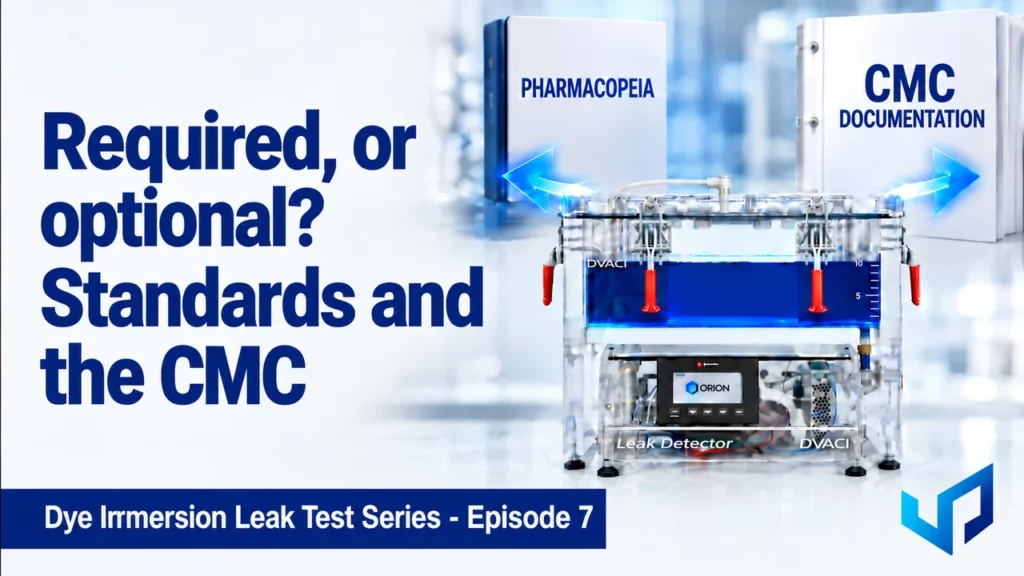
Dye ingress testing requirements depend on the applicable compendium, package and approved product dossier. A methylene blue procedure may be prescribed for a specific application or included in an approved CMC; USP <1207> provides a broader framework for selecting and validating package integrity methods.
Dye immersion is not universally mandatory. It becomes required when the obligation comes from an applicable compendium or from the product’s approved CMC documentation.
A method can become mandatory in two completely different ways
Most discussions stop at the pharmacopeia. The second route—the company’s own approved quality dossier—is just as important and often more specific.
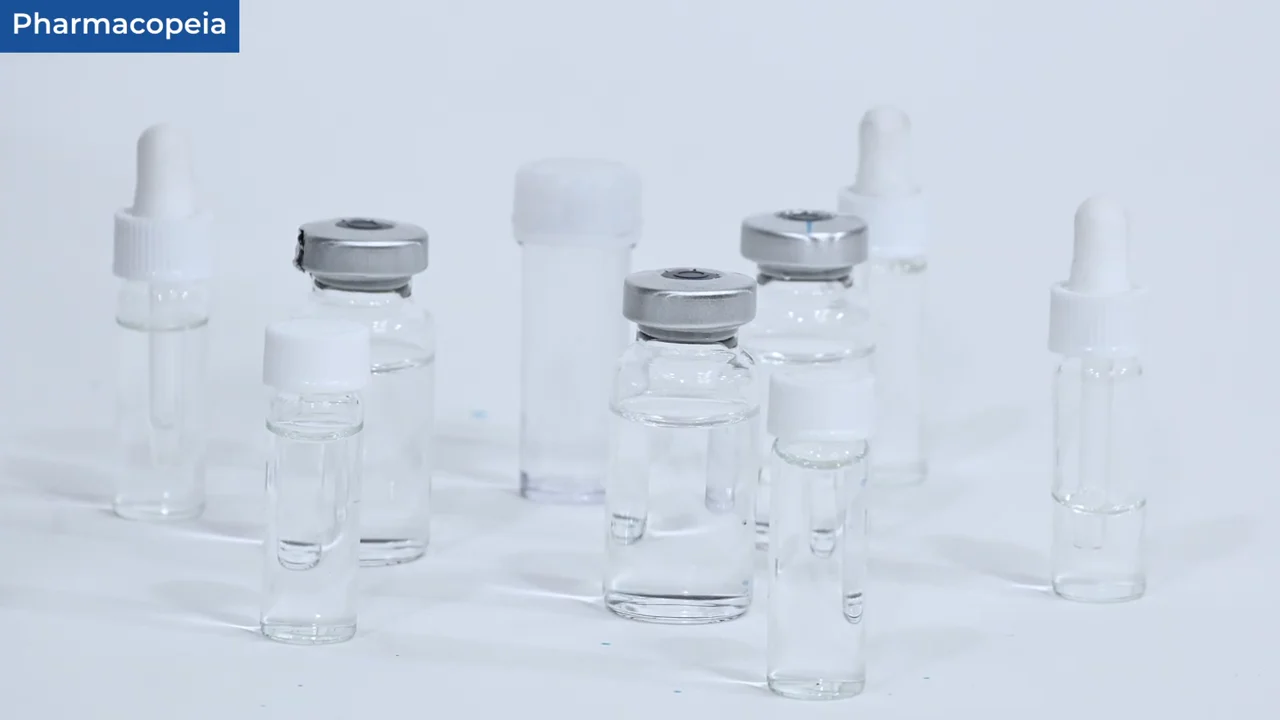
The official compendium
A pharmacopeia may prescribe a specific procedure for a defined component or function. Closure self-sealing studies are not the same as complete package-integrity studies, so the exact scope of the official text matters.
Confirm the current licensed edition, specimen preparation, operating conditions and acceptance criteria before claiming compliance.
The applicable pharmacopeial chapter, monograph or referenced standard.
The approved CMC dossier
A manufacturer can register a product-specific procedure with defined parameters and acceptance criteria. Once approved, that procedure becomes a regulatory commitment for the product—even if no pharmacopeia describes it.
Changing it is a quality and regulatory decision, not an informal laboratory preference.
It does not turn every package into the same test case
USP <1207> provides guidance for integrity assurance of nonporous packages used for sterile pharmaceutical products. Its framework addresses method selection, validation and use throughout the product lifecycle.
Deterministic technologies may be preferred for routine applications when the package, product and acceptance criteria permit. Dye ingress can remain useful during development, investigations, method characterization and validation support.
Do not reduce the decision to “deterministic versus probabilistic.” The selected procedure still has to be suitable for the actual package, defect risk, sensitivity target and intended use.
CMC is the product’s quality commitment
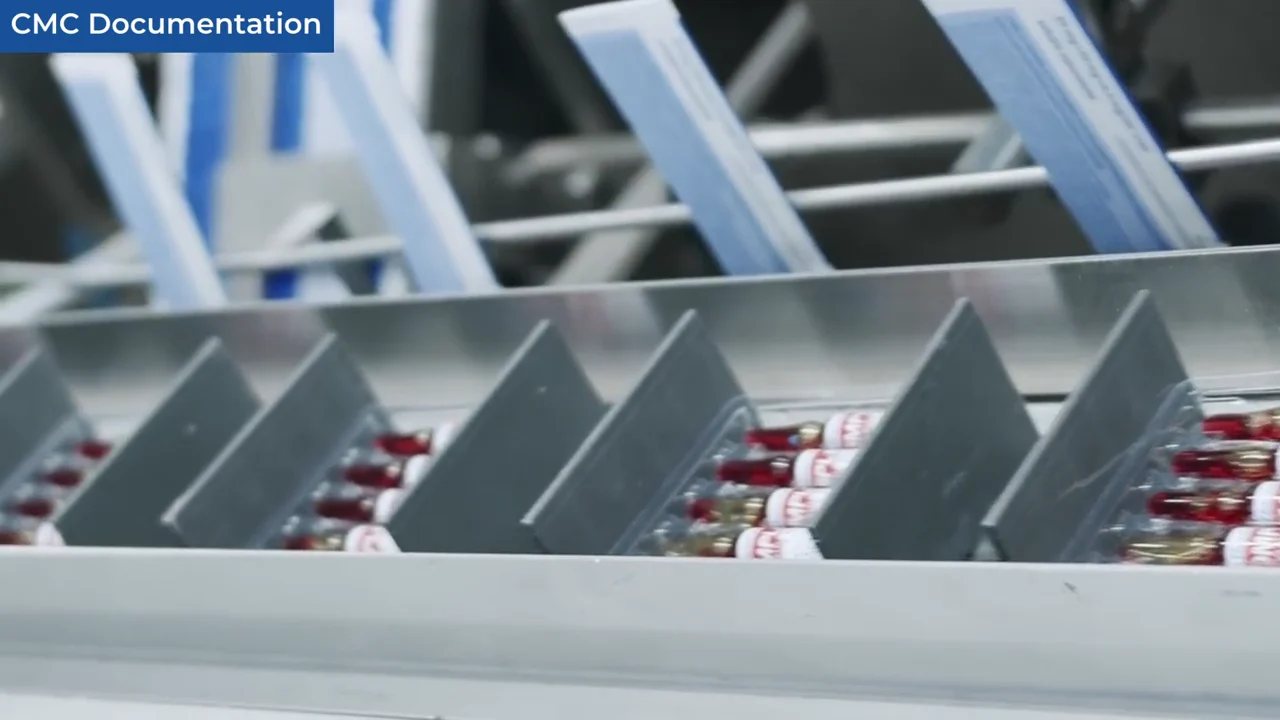
CMC means Chemistry, Manufacturing and Controls. It describes what the product is made of, how it is manufactured and how its quality is controlled. Within the Common Technical Document, detailed quality information is organized in Module 3.

What becomes fixed when the procedure is approved?
A company-specific dye-ingress method may define every condition needed to reproduce the challenge. Once that procedure is part of the approved dossier, each registered element must remain controlled.
A custom procedure can be as binding as an official test when it is the approved method for that product.
Establish the controlling document and the change pathway
Frequently asked questions
Is methylene blue testing always mandatory for pharmaceutical packaging?
No. It may be prescribed for a defined compendial application or required because it forms part of an approved product-specific dossier. Other packages and objectives may support different validated methods.
Does USP <1207> prohibit dye-ingress testing?
No. USP <1207> provides a lifecycle framework for package-integrity assurance, method selection and validation. The role of dye ingress depends on the product, package, objective and lifecycle stage.
Can a method be mandatory even if it is not in a pharmacopeia?
Yes. A custom leak-test procedure included in an approved CMC dossier or registered specification can become obligatory for that product within its approved scope.
Can a registered dye-ingress method be changed?
A change may be possible, but it should pass through formal change control, technical assessment and validation. The applicable regulatory reporting pathway must also be determined for each market.
Is a passing visual dye test enough to prove complete container-closure integrity?
Not automatically. The procedure must be suitable and validated for the intended package and defect risk, with justified sensitivity, controls, parameters and acceptance criteria.
Episode 8 moves from obligation to sensitivity: which parameters can be adjusted, how pressure and time influence the challenge, and how to demonstrate the detection capability claimed by the method.
Need to translate a registered leak-test method into a practical setup?
Share the package, product, controlling document, approved parameters and sensitivity objective. DVACI can help evaluate an appropriate chamber and operating configuration while keeping compendial requirements, registered commitments and development studies clearly separated.
Latest Articles
News, technical guides and insights on package leak testing.