
Flexible Packaging Leak Tester
A flexible packaging leak tester helps locate leaks in pouches, sachets and bags. A flexible pack does not leak the way a bottle does. It leaks at a fold, a seal edge or a pinhole in the film, and the right test depends on how much air is left inside. Find your package type and the method that shows its leak.
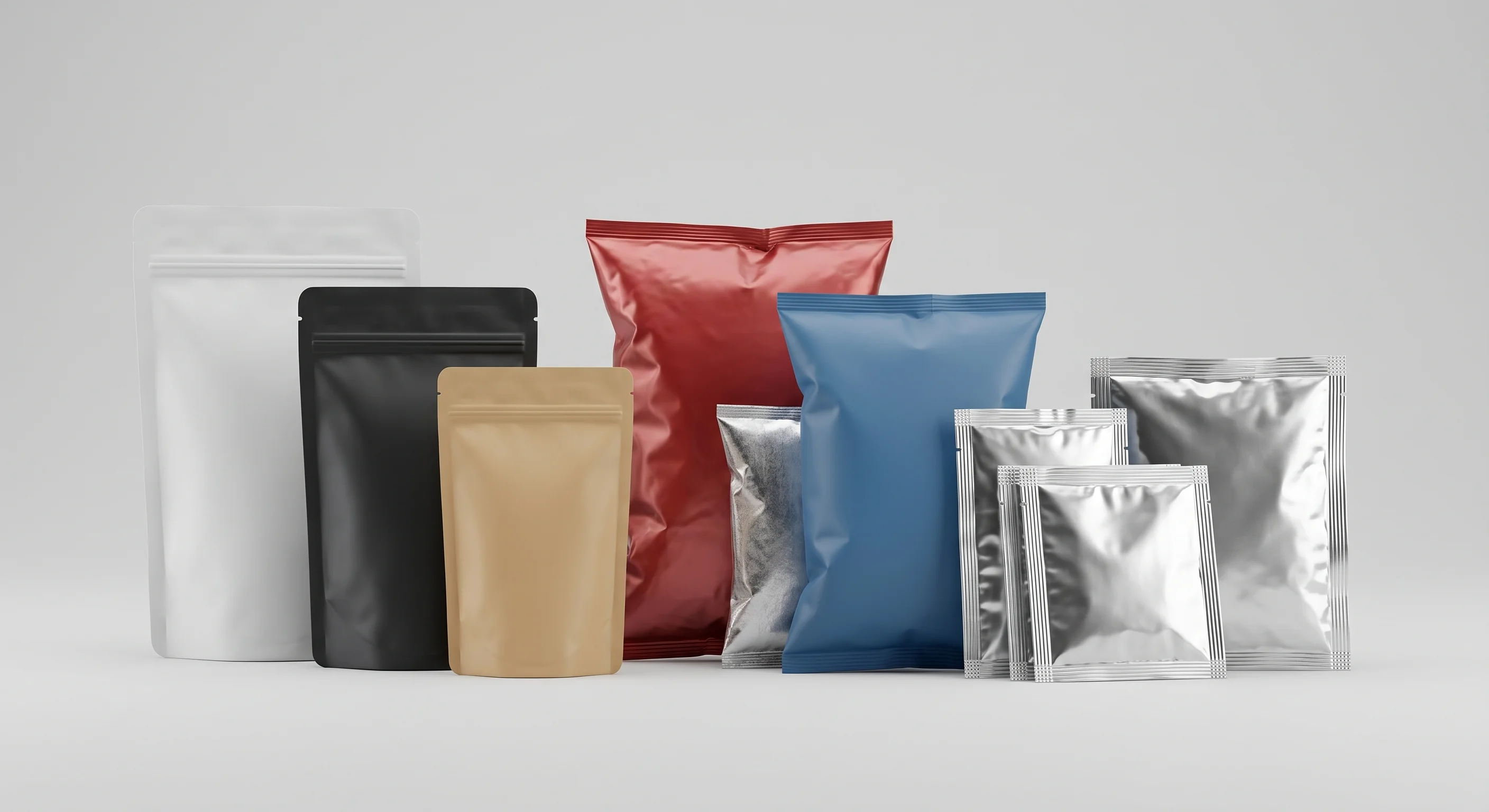
Six places a flexible pack leaks
The film itself rarely fails. Most leaks sit where the film is joined, folded or pierced by a fitting, so the test has to put every one of those areas under stress at the same time.
- 1
Top and bottom seal
Channels, wrinkles or thin spots left by uneven heat or pressure. The most common source of slow leaks.
- 2
Side or fin seal
Overlap joints where three layers meet. A step in the film can leave a tunnel along the seal.
- 3
Corner and gusset fold
Where the seal crosses a fold, the film is thicker and a micro-channel can stay open.
- 4
Zipper, spout or fitment
Resealable closures and welded spouts add parts that can separate from the film.
- 5
Pinhole in the film
Flex cracks and abrasion on laminates. Tiny, and invisible until air or product moves through.
- 6
Product in the seal
Powder, oil or liquid trapped between the sealing layers keeps the seal from fusing completely.
Which flexible packaging leak tester setup fits your pack?
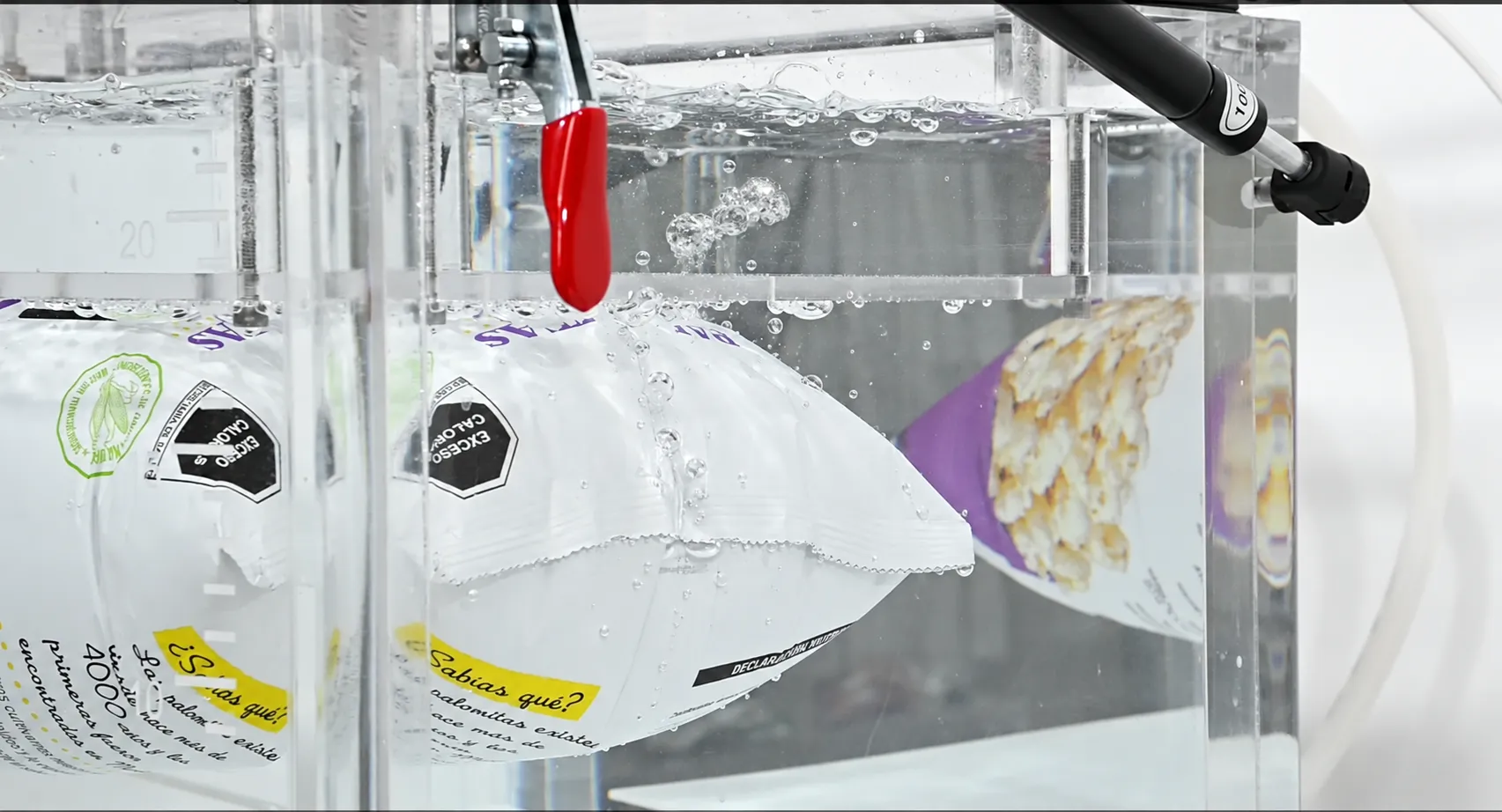
The deciding factor is headspace: the air or gas inside the pack. With enough of it the pack swells under vacuum and bubbles reveal the leak. With little or none, the test has to supply the air.
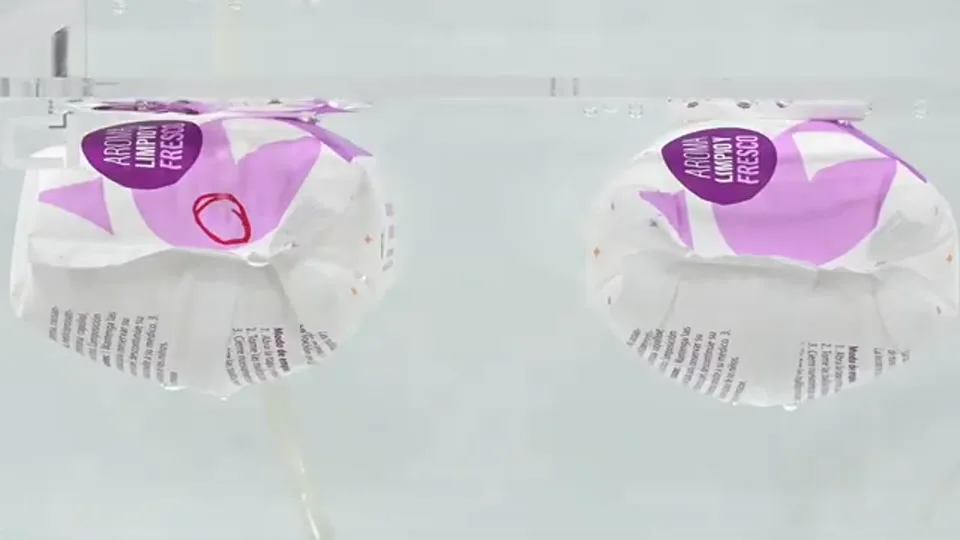
Sachets and stick packs
Single-dose formats hold almost no air, so there is little for the vacuum to expand.
- Leaks at
- Fin seal, end seals and the corners of the pack.
- Headspace
- Very low.
- Method
- Dry test, watching the pack inflate under vacuum, or internal pressurization with the PI kit.
- Standard
- ASTM F2096 for the pressurized variant.
Stand-up pouches (doypacks)
A filled doypack with a zipper or spout usually has enough headspace to swell visibly.
- Leaks at
- Bottom gusset, side seals, zipper and spout weld.
- Headspace
- Moderate. Depends on fill level.
- Method
- Immersion bubble test under vacuum. Use the dry variant when liquid contents could contaminate the bath.
- Standard
- ASTM D3078.
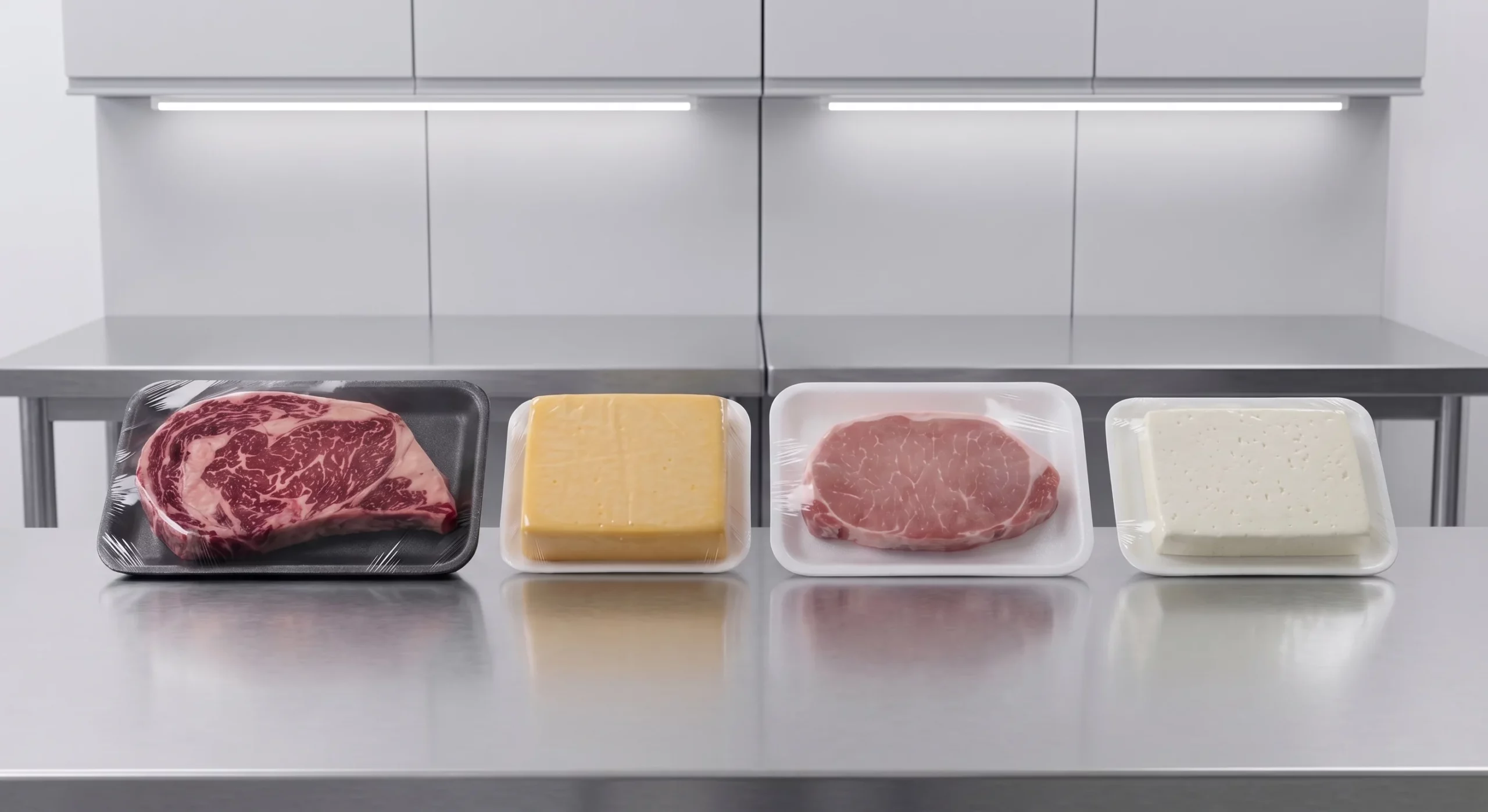
Vacuum-packed and MAP bags
Fish, meat and cheese are often packed so tight that the film lies flat against the product.
- Leaks at
- Seal edge, and folds where film wraps irregular product.
- Headspace
- None to low for vacuum packs. MAP packs hold gas.
- Method
- MAP packs: vacuum bubble test. Vacuum-packed bags: internal pressurization through a septum.
- Standard
- ASTM D3078 and F2096.
Medical and sterile-barrier pouches
The material decides the test: a non-porous film behaves very differently from Tyvek or medical paper.
- Leaks at
- Peel seal, chevron or header seal, and the edge of the porous side.
- Headspace
- Low to moderate.
- Method
- Non-porous films: vacuum bubble test. Porous barriers: internal pressurization, with the porous area handled so air does not pass through it.
- Standard
- ASTM D3078 and F2096.

Large bags and bulk pouches
Here size, not method, is the constraint: the whole pack has to fit and stay submerged.
- Leaks at
- Long seals, handles, valves and corner welds.
- Headspace
- Usually high.
- Method
- Vacuum bubble test in a floor-standing chamber sized to the pack.
- Standard
- ASTM D3078.
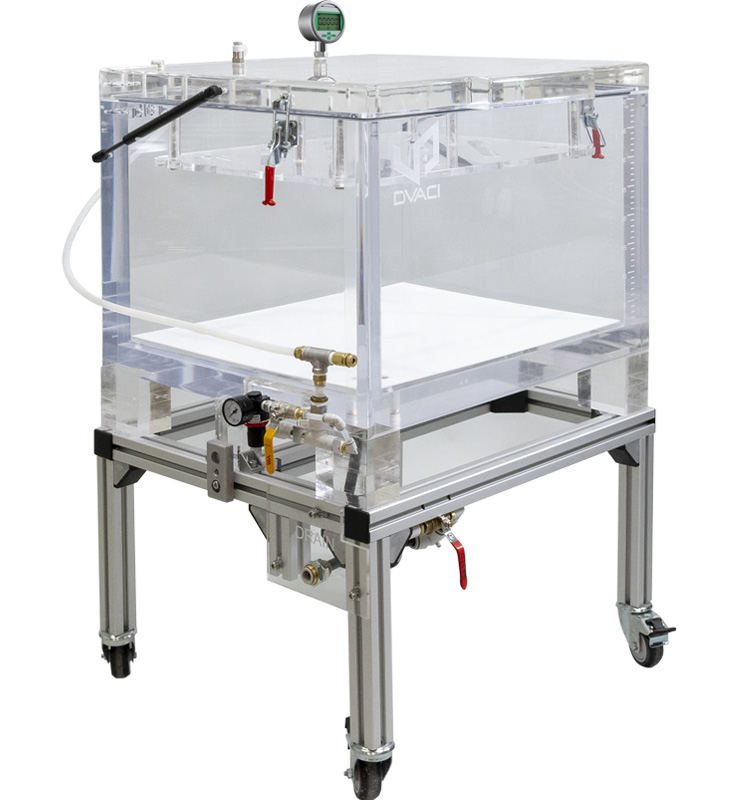
Pull the air out, or push it in
Both methods end the same way: bubbles in water. What changes is who supplies the pressure difference.
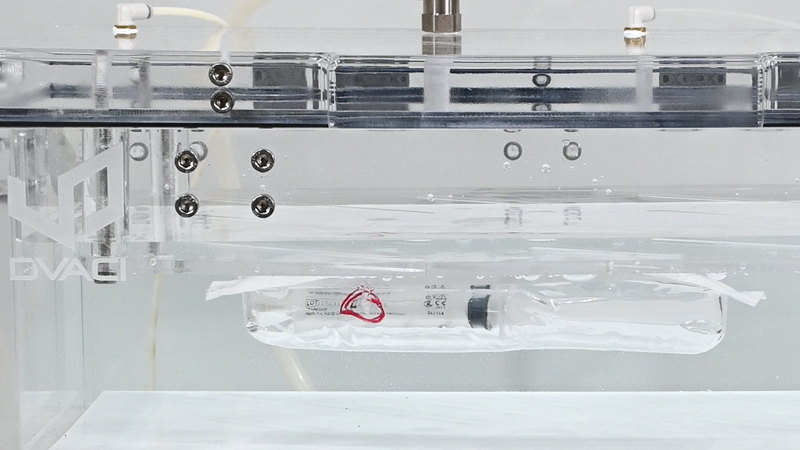
Vacuum from outside
The pack sits under water in a sealed chamber. As the pressure drops around it, the air inside pushes out through any leak.
- Needs no connection to the pack, so it works on sealed units as they are.
- Tests every seal and fold in one cycle.
- Needs enough headspace to expand.
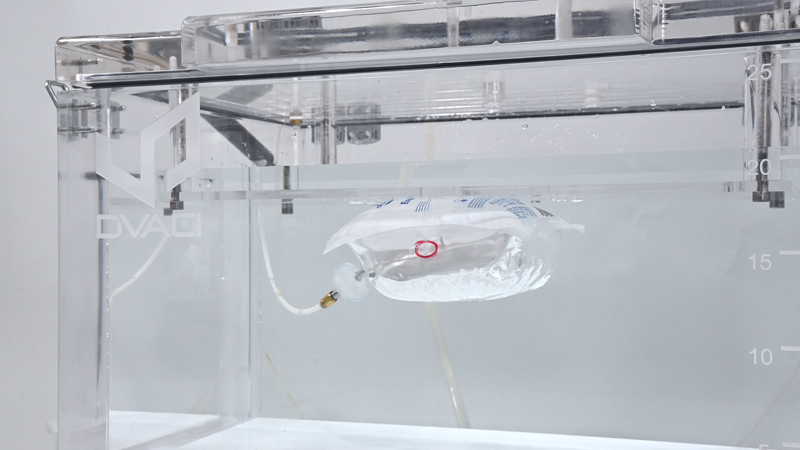
Pressure from inside
A needle through a septum feeds air into the pack while it is submerged. The pack is inflated until a leak shows.
- Works when the pack holds little or no air.
- Pressure is controlled and set per product.
- Leaves a needle hole, so the unit is not reusable.

Prove the test can see your leak
A test that has never found a defect on your pack proves nothing. Qualify it once with samples you know.
Take a good sample
A pack from normal production with no visible seal fault. It must stay free of bubbles for the full hold time.
Make a known defect
Create a control sample with a calibrated pin or tungsten filament in the area you worry about most, such as a seal or a fold.
Set vacuum and hold time
Choose the lowest setting that makes the defect show in a reasonable time, without ballooning or bursting the good sample.
Record and repeat
Save the settings with the lot. Check the control again at the start of each shift or batch.
Details on choosing the vacuum level and hold time are in the ASTM D3078 leak tester guide.
What a bubble test can and cannot tell you
- It is qualitative. It shows where a pack leaks. It does not give a leak rate.
- It depends on the sample. A leak that seals itself under pressure, or a very small one, may not show at the chosen setting. That is why the control sample matters.
- Porous materials need care. Air passes through Tyvek or paper by design, so the porous area must be treated before reading the result.
- Need a number? Compare probabilistic and deterministic methods before you decide.
Go deeper on your package
Flexible packaging leak tester: common questions
What is a flexible packaging leak tester?
It is equipment that finds leaks in pouches, sachets, bags and similar packs. Most systems submerge the pack in a chamber and either lower the pressure around it or raise the pressure inside it, so a leak releases a visible stream of bubbles.
Which standard applies to flexible packaging?
ASTM D3078 covers bubble emission under vacuum for flexible packages with headspace. ASTM F2096 covers detection of gross leaks by internal pressurization. ASTM D6653 is used to simulate altitude changes during transport.
Can I test a pouch with almost no air inside?
Yes. For very low headspace, observe the pack inflate in a dry test, or use internal pressurization to supply the air. See the pouch and sachet guide for both setups.
Can liquid-filled pouches be tested?
Yes, but a leaking pack can contaminate the bath. The dry variant of the bubble test avoids this by keeping the pack out of the water. Check compatibility of your product with the test before routine use.
Does the test give a leak rate?
No. A bubble test is qualitative and shows where a pack leaks. If you need a measured leak rate, compare it with deterministic methods.
How do I choose the right chamber size?
Pick a chamber that holds the pack fully submerged with room around it. The CDV range goes from bench-top units to floor-standing chambers for large bags.
Test your own flexible pack with us
Tell us the format, material and fill. We will recommend the method and the CDV configuration that fits. You can also explore our leak testing machines for packaging.