How to Define Pressure and Time Parameters – ASTM F2096 Bubble Leak Test
How do we define the correct test pressure and the appropriate time to reveal real leaks?
In the pharmaceutical industry, we all share one responsibility: ensuring that every sterile package maintains its integrity until final use. A leak is not just a defect—it is a regulatory nonconformance, a risk to the patient, and a problem no one wants to face.
ASTM F2096 is the most widely used method to answer that question, although it intentionally leaves two parameters open: test pressure and observation time. If these parameters are selected incorrectly, the test either loses sensitivity or compromises otherwise intact packages.
In this tutorial, you’ll learn:
- Why ASTM F2096 parameters matter (pressure & time).
- How to define Test Pressure values.
- How to define Observation Time correctly.
Standards mentioned
ASTM F2096 – Standard Test Method for Detecting Gross Leaks in Packaging by Internal Pressurization (Bubble Test).
Why ASTM F2096 parameters matter
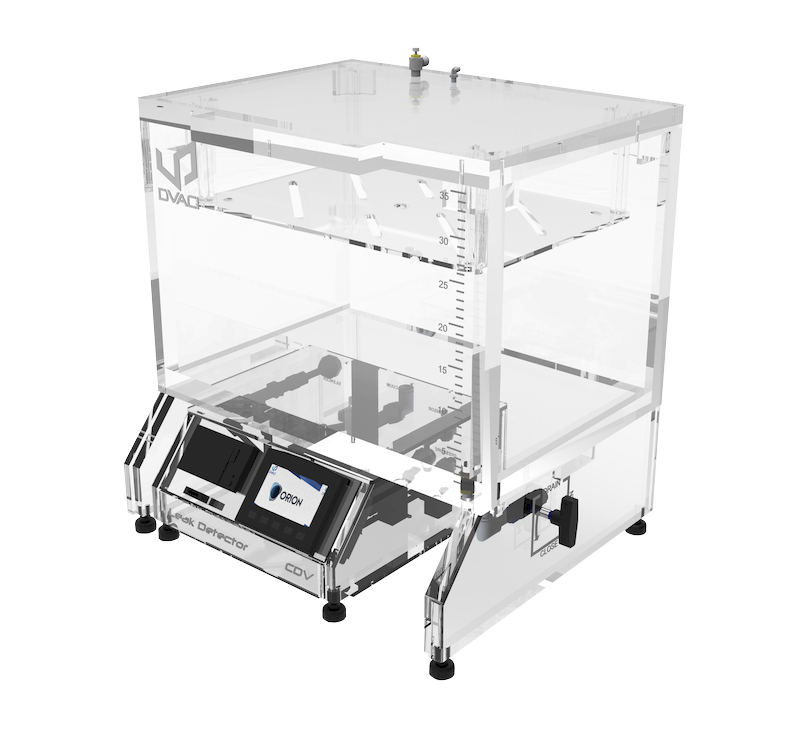
The standard establishes a clear principle: the package is pressurized under water and observed for a continuous stream of bubbles that would indicate a leak. Each laboratory must establish its own test pressure and holding time at pressure, using a validated methodology. This is where the Control Sample becomes essential.
Today, we will show you how to define these parameters in a technical and reproducible way. We will also share a tip that very few laboratories apply, but that can dramatically improve the reliability of your test. Stay until the end—it is high-value information.
How to define Test Pressure values
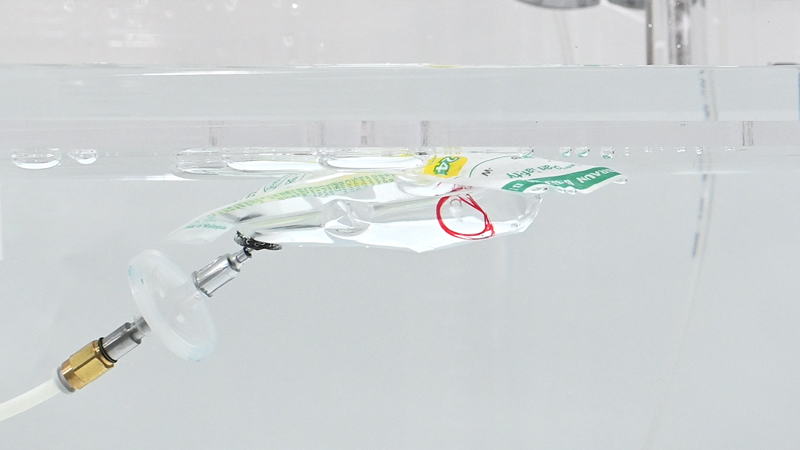
ASTM F2096 requires first using a package with a known, artificial defect. At DVACI, we have published a video showing how to create a Control Sample, and we invite you to watch it if you have not already.
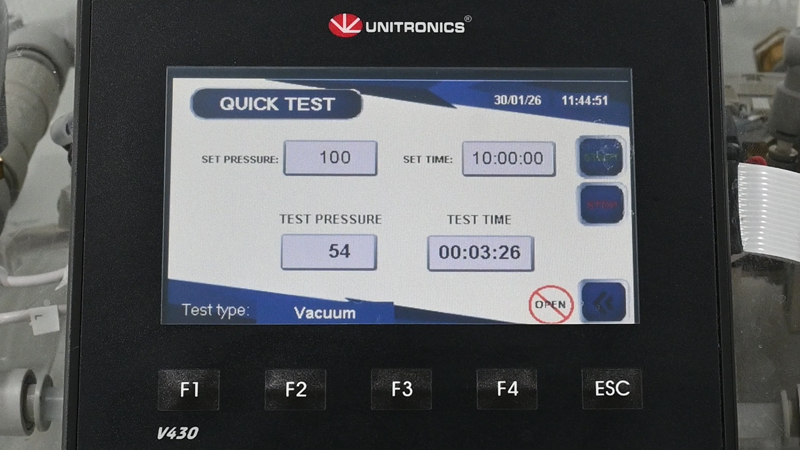
This sample is critical because it allows you to identify the minimum pressure at which a real leak becomes visibly detectable under water. That pressure is your starting point.
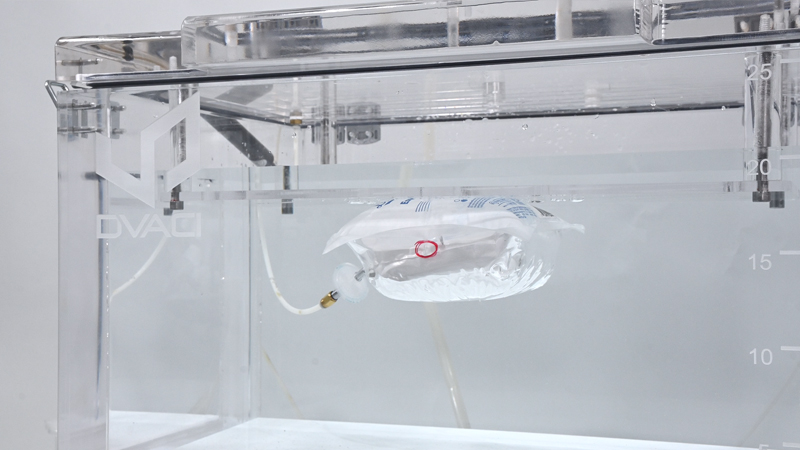
Once we pressurize the Control Sample and clearly observe the leak, we obtain the minimum leak-revelation pressure. That value tells us: “below this pressure, the test is not valid.” If we want to increase sensitivity, we can slightly increase the pressure without compromising package integrity.
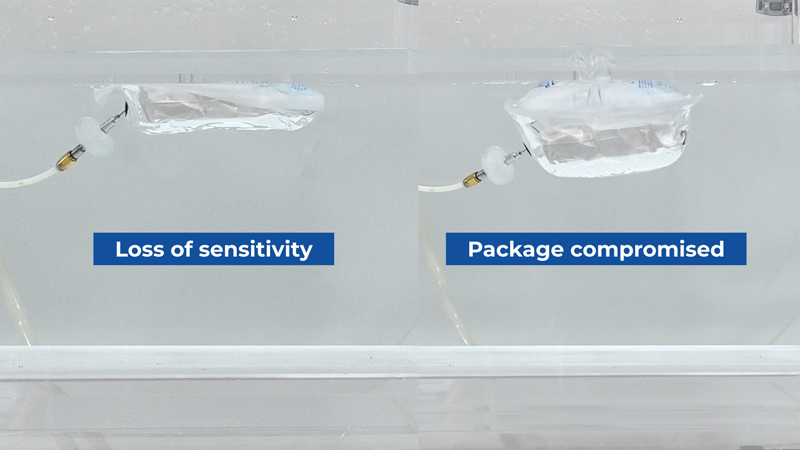
We apply a simple and effective rule: use between 10% and 30% above the minimum pressure at which the leak first appeared. This increases detection capability without excessively stressing the package.
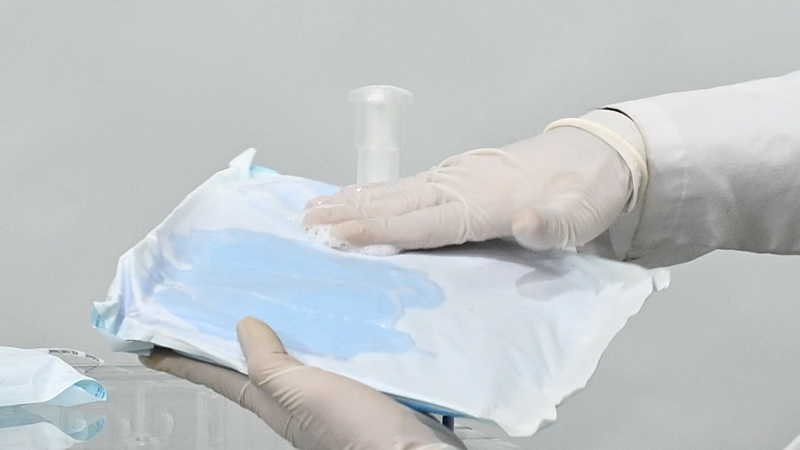
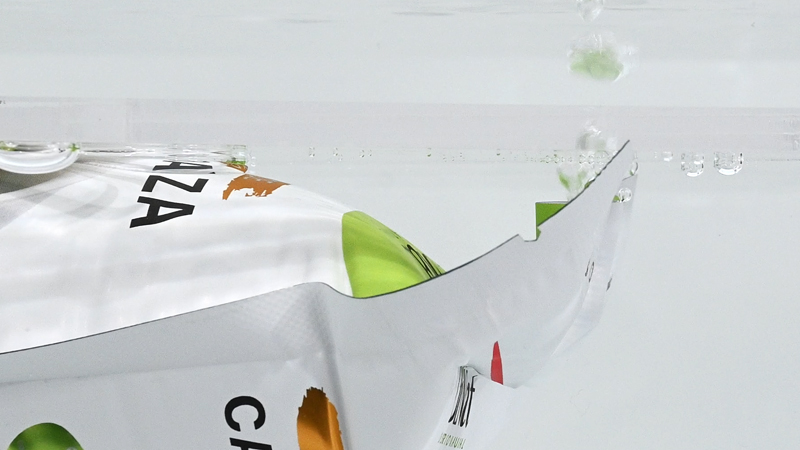
In porous packages, such as those made with Tyvek®, the natural breathability of the material may generate bubbles that do not correspond to a leak. ASTM F2096 acknowledges this phenomenon and recommends the use of a blocking agent.
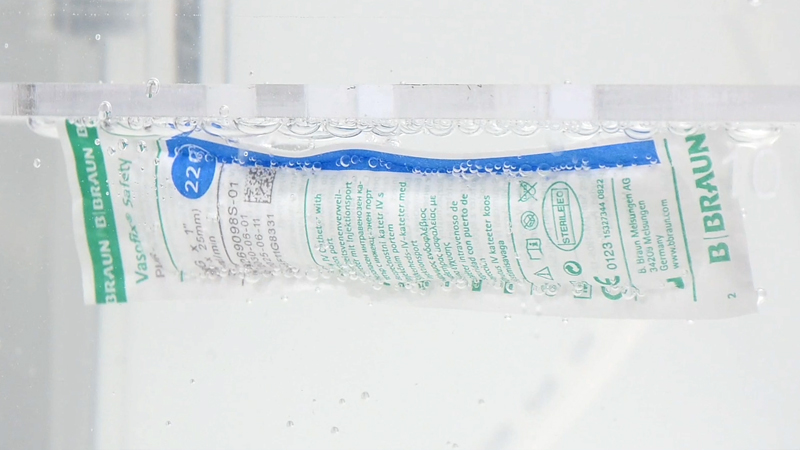
We have a dedicated video showing how to apply it correctly. If you work with Tyvek or medical paper, we strongly recommend reviewing it to avoid false readings and to define reliable parameters.
How to define Observation Time
Once the test pressure has been defined, the next step is to establish the observation time, using the Control Sample as the minimum reference. If the Control Sample reveals a leak in two minutes, you cannot conclude that a package is intact by observing it for less than that time.
The observation time must be equal to or greater than the time at which the leak appears under the selected conditions.
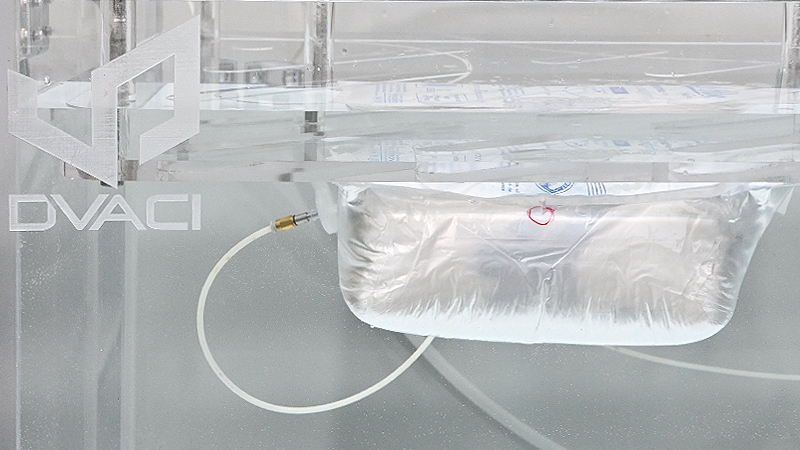
Some packages may change behavior under internal pressure: they may inflate, tension the seals, or even slowly open along the seal edge. It is important to define a reasonable maximum observation time and avoid interpreting delayed mechanical behavior as a true leak.
DVACI Tip
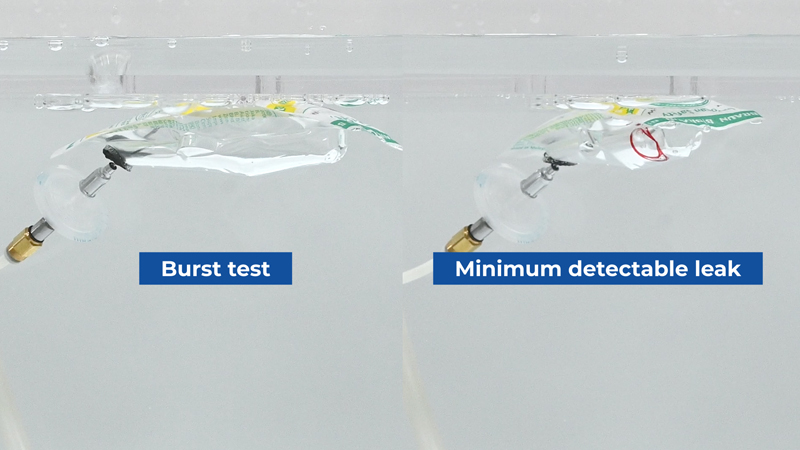
Here is a tip that almost no one applies and that can significantly improve test reliability: perform a maximum pressure test, or burst test. Although it is not part of the ASTM F2096 method, it is extremely useful.
Increasing the pressure until the package fails allows you to identify its upper integrity limit. When you know both where the minimum detectable leak appears and where burst occurs, the test pressure becomes obvious, safe, and defensible during regulatory audits.
We will soon publish two videos with real-world examples: one for a non-porous package and one for a porous package, where we will show, step by step, how to define test parameters according to ASTM F2096 in practical pharmaceutical applications. Visit our website to stay informed about these case studies.
We can help you. Contact us!