Blocking Agent: How to Test the Integrity of Porous Packaging such as Tyvek? | ASTM F2096.
Leak or Tyvek breathing?
The key when testing porous sterile packaging.
Do you see bubbles during your package integrity test and aren’t sure whether they’re actual leaks or just the Tyvek breathing?
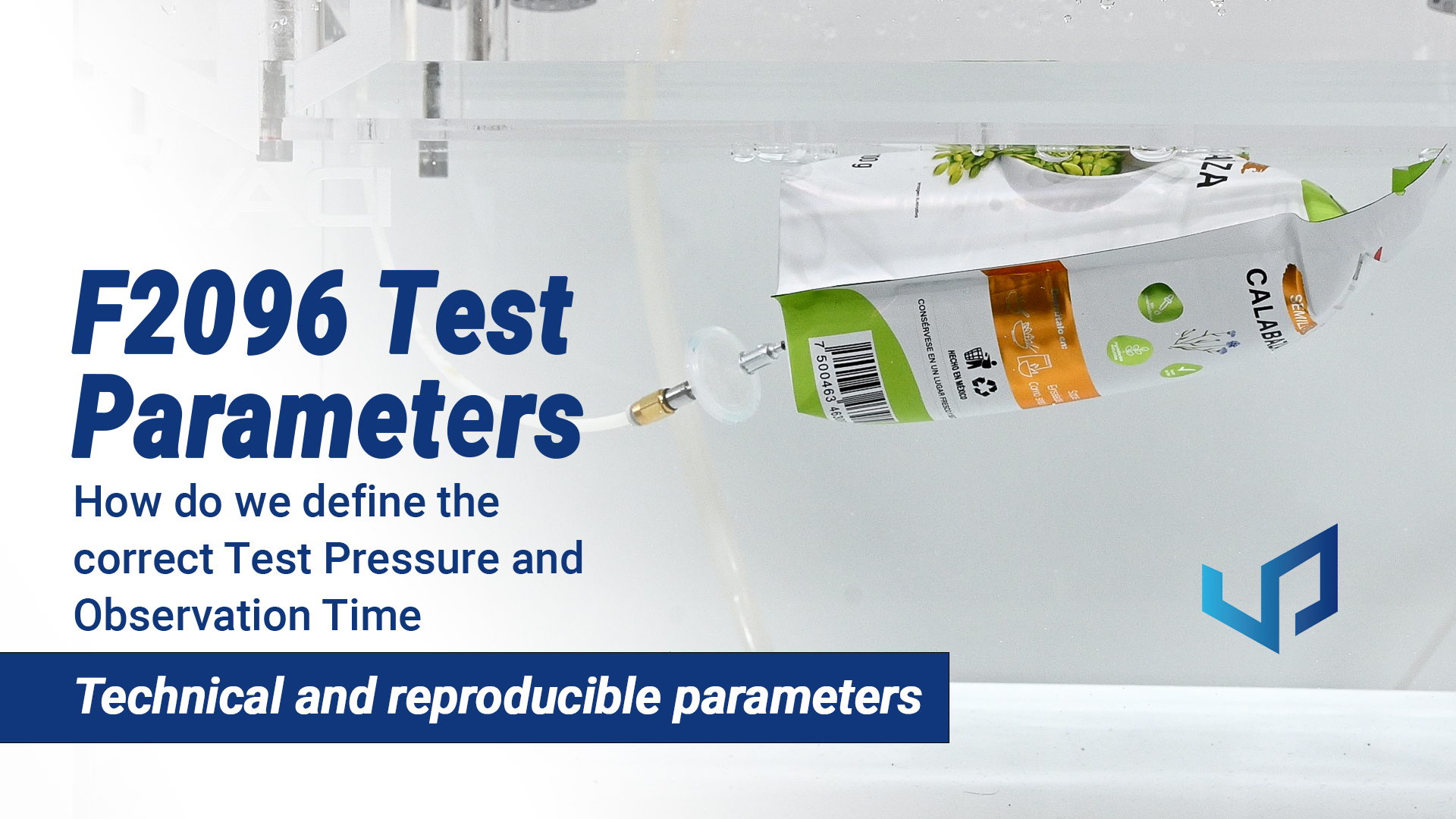
Here’s how to prevent false leak indications with a simple adjustment based on the ASTM F2096 Standard Test Method for Detecting Gross Leaks in Packaging by Internal Pressurization (Bubble Test) — applicable to Tyvek or other porous paper packaging.
In this video you will learn:
-
What Tyvek is and why its porosity can produce isolated bubbles.
-
The recommended adjustment in ASTM F2096 for properly sealing Tyvek during leak testing.
-
How to apply a blocking agent, such as disinfectant foam or glycerin, to porous materials.
-
A practical example using Cold-Seal paper gauze.
-
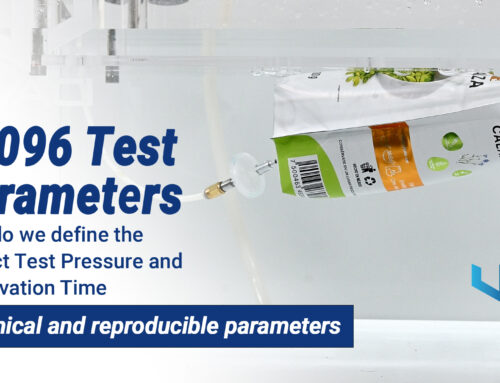
The recommended test parameters for pressure and time.
What Tyvek is and why its porosity can produce isolated bubbles.
The recommended adjustment in ASTM F2096 for properly sealing Tyvek during leak testing.
How to apply a blocking agent, such as disinfectant foam or glycerin, to porous materials.
A practical example using Cold-Seal paper gauze.
The recommended test parameters for pressure and time.
Standards mentioned
ASTM F2096 – Standard Test Method for Detecting Gross Leaks in Packaging by Internal Pressurization (Bubble Test).
ISO 11607 – Packaging for Terminally Sterilized Medical Devices – Requirements for Materials, Sterile Barrier Systems, and Packaging Systems.
NOM-BB-5-1991 – Mexican Official Standard for Syringe Packaging (Use of Glycerin for Pore Sealing).
Testing porous packaging
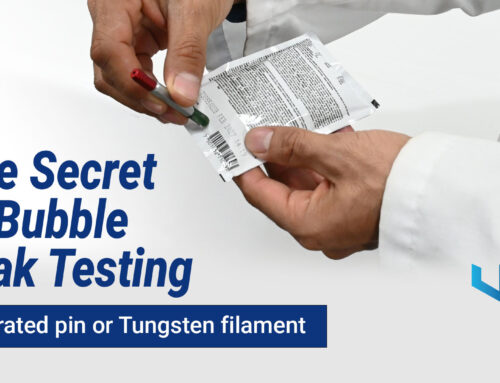
Tyvek is a porous material that blocks liquids and microorganisms while allowing air and vapor to pass through. This characteristic can cause the formation of bubbles during the leak integrity test, known as the Bubble Leak Test, as described in ISO 11607 and ASTM F2096. To address this effect, ASTM F2096 recommends applying a blocking agent, such as a hand-sanitizing foam containing at least 62% ethyl alcohol. This treatment increases the breathing pressure of the package, ensuring that any visible bubbles during the test correspond to actual leaks.
Apply the foam evenly over the porous surface, allow it to dry for 15–20 minutes, and then perform the internal pressurization test according to your procedure. If the recommended foam cannot be used, the Mexican Official Standard NOM-BB-5-1991 suggests using glycerin as a blocking agent. However, the test patch should be applied before the glycerin, since it is a fatty substance that can interfere with adhesion.
In recent evaluations performed on gauze wrapped in cold-seal paper, glycerin proved more effective than foam for sealing the porous surface.
In summary
If the test pressure exceeds the breathing pressure of the Tyvek, apply a hand-sanitizing foam to ensure that any visible bubbles represent actual leaks. If the foam is not effective, try glycerin as an alternative blocking agent. If you’d like to send us your samples, please complete our contact form, and we’ll provide a free demonstration video with our testing recommendations.
We can help you. Contact us!